Being fair is something that a lot of people think is really important. In Australian culture we value giving someone a ‘fair go’. What we usually mean by that is that all people should have the same opportunities. If people are disadvantaged in some way, they should be able to give something a go to the best of their ability and show what they can do.
It is especially important to young people that we are as fair as we can be in every situation. This can often mean two things. Firstly, being fair can mean that each person should have an equal share of something. For example, if we were having cake for morning tea after this morning’s service, and one person got a bigger piece of cake than another, the person with the smaller piece of cake might complain that that isn’t fair. Every person should get pieces of cake that are the same size. A second way that people can understand being fair is that everyone should get the same benefits. To continue with our example, if a third person wasn’t in the room when the cake was handed out and there was none left for them when they arrived for morning tea, then they might say it wasn’t fair that they missed out. For a lot of people, ‘fair’ means everyone gets the same and no-one misses out.
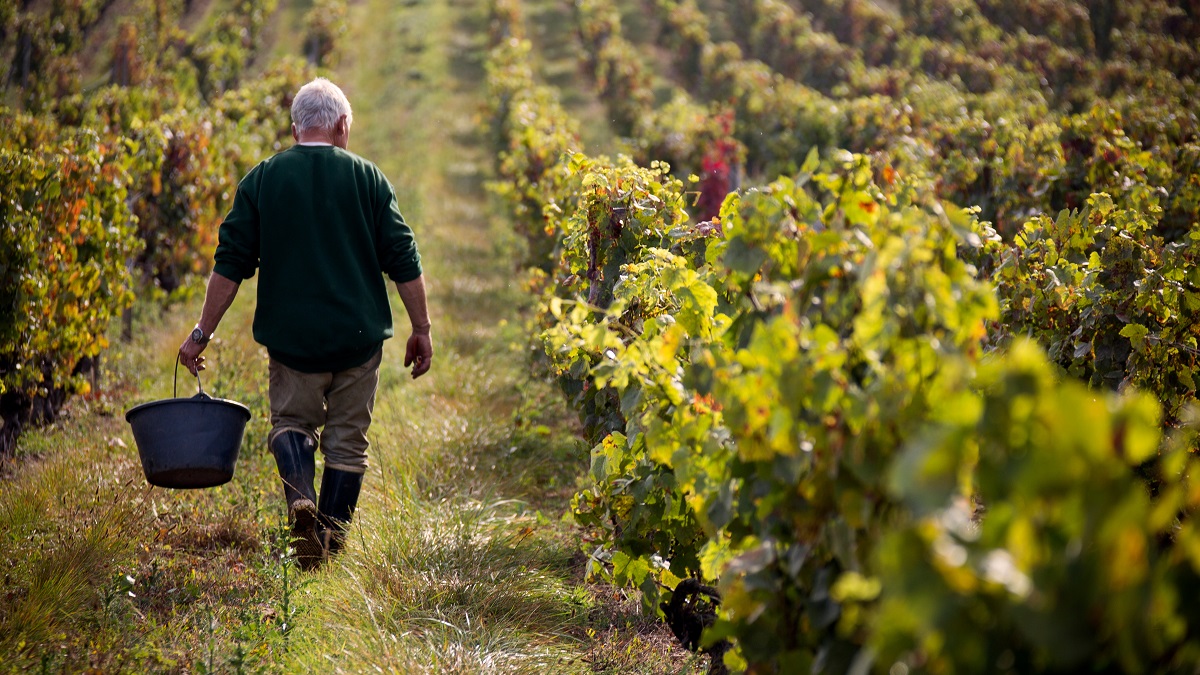
We can all probably understand why the workers in Jesus’ parable from Matthew 20:1-16 got upset at the end of the day when the foreman handed out their wages. The labourers who were hired early in the morning and had worked the entire day thought that it would be fair if they received more money that those workers who were hired at the end of the day and had worked for just an hour. Even though they had agreed with the landowner to work for a day’s wage, when they saw that those who had started later received that amount, they could have thought that it would be fair if the landowner paid them more. After all, that they had worked hard under the hot sun for a whole day, not just an hour.
When they received the same amount as those who worked for just an hour, it’s understandable that they were upset. How many of us would be happy to receive the same wage as someone who had worked one hour when we had worked twelve? They might have been justified to quickly arrange some industrial action, maybe even picket the vineyard the next day, and demand that they get paid more than those who had spent a fraction of the time in the vineyard. We can almost hear them saying, along with the people who received a smaller piece of cake or who missed out on the cake all together, ‘That’s not fair!’
From the landowner’s perspective, however, he was being completely fair. As he says in verse 13, he offered to pay each worker a day’s wage and he honoured their agreement by giving them exactly what he promised! It could also be argued that he was being fair because he gave each worker exactly the same amount. As he continues in verse 15, the money he was paying them is his, so he could do whatever he liked with it. His giving wasn’t conditional, based on or indexed to the efforts of the workers. Instead, he gave to each worker because he was kind (NLT), generous (NIV), and good (NKJV).
Jesus gives us a picture of the goodness of God in the generosity of the landowner. God calls us to work in his vineyard, which is a common biblical symbol of his Kingdom. He calls some to work in his Kingdom their entire lives, while he calls others to serve him later in life. Some people put in a huge amount of effort for God’s Kingdom, serving in many different ways, while it might appear that others seem to put in very little effort and give very little of themselves to the work of God’s Kingdom. However, Jesus is telling us through this parable that at the end of the day we all receive the same reward. There are no greater or lesser rewards. No one receives more or less than others. Our heavenly Father gives the same reward to every person in his vineyard: a new relationship and life eternal with him. No matter how long we have laboured or how much effort we have put in, God gives us all the same life with him for ever.
What is important in God’s gift to us is his generosity and goodness. While we might like to focus on ourselves and what we get because of our efforts, God wants us to focus on him and his generous goodness instead. Our whole faith that salvation is by God’s grace received through faith centres on the realisation that we are not saved by what we do, how much we do, or how long we’ve been doing it. God saves us and gifts us with a place in his Kingdom through his generous goodness to us in the life, death, and resurrection of Jesus. Whether we have been Christians our whole lives or are new believers, God gives us all the same gift of a new identity as his children and eternal life with him through faith in Jesus. Whether our family has been members of the congregation for generations, or we are newcomers to this faith community, God values us the same because he gave his Son to die for all of us. Like the workers in the vineyard, we might think that being fair means we get more because we’ve worked longer or harder than others, but from God’s point of view, being fair means treating everyone in the Kingdom as equals and blessing us with the same measure of his generous goodness to us in Christ.
This shapes the way we relate to each other in the Church. God’s fairness to us in giving us all the same and valuing us all the same needs to be reflected in the way we treat others. We can sometimes think we are more or less deserving for a range of reasons, such as how much we put in, how much we contribute, how long we have been here, and so on. This parable reminds us that God’s measure of fairness means we all get the same amount of cake, or the same reward for serving our King. We need to treat each other with the same measure of fairness. There is no privilege in the church, no entitlement, no hierarchy or pecking order. We all serve the same Lord who blesses us all equally with his generous goodness. Loving one another means treating each other and valuing each other in the same way, no matter how old or young we might be, no matter how much we give, how long we have served or been a member of this church, or how often we attend worship. In Christ, God values us all the same, and he asks us to value each other in the same way.
There are different ways we can think about what’s fair. From at least one point of view, the owner of the vineyard in Jesus’ parable seems to be unfair. However, Jesus gives us a new way of understanding what fair looks like from God’s perspective: that everyone receives the same because he values everyone the same. He calls us to serve him in our lives by showing this same fairness to others.
More to think about or discuss:
- Do you think the landowner was being fair or not? Explain why you think that…
- Why do you think the landowner decided to pay all his workers the same, regardless of how long they had worked? What might that suggest to you about the nature and character of God’s Kingdom?
- What is one way we could display this same type of fairness to others in our church community?
 Pastor Eugene Online
Leave a comment