If you’ve done any shopping over the last month or so, you probably would have seen some ghosts, witches, hairy spiders, and pumpkins with faces carved into them around the shops. In recent years, the celebration of Halloween has shifted from being something we only hear about from the USA and see on our televisions to something we encounter just about every time we go shopping during the month of October. For some of us, it might also mean having a supply of sweets and lollies ready just in case we get some visitors knocking on our door this Tuesday evening.
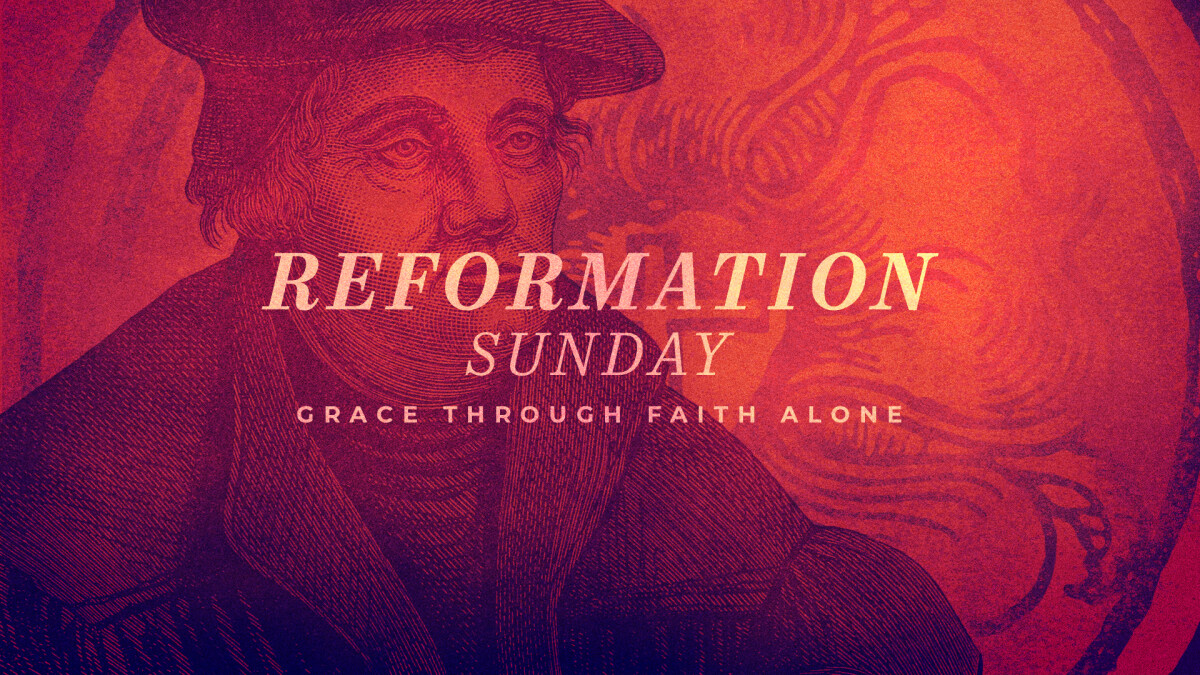
For many people of the Protestant faith, and Lutherans in particular, Halloween has a much deeper significance than a chance to walk around the streets and knock on people’s doors asking for lollies. On Halloween, the 31st of October, in 1517, Martin Luther knocked on the door of the Castle Church in Wittenberg, Germany. He wasn’t asking for lollies from the people inside. Instead, he was nailing 95 theses or statements that he wanted to debate about the sale of indulgences. These indulgences were pieces of paper that the church of that time said could help a deceased loved one get into heaven quicker. Because of his faith in the free grace of God to him through Jesus, Luther challenged the sale of indulgences and the protestant movement within the Roman Catholic Church began.
There is a lot we can discuss about the Reformation movement which began in Germany during the early 1500s. At its heart was the faith that people are saved by God’s free grace through faith in Jesus and not by doing good works. In other words, salvation isn’t something we work for or earn. It’s a free gift from God, paid for in full by Jesus’ sinless life, innocent death on the cross, and glorious resurrection to new life. This central teaching challenged the Reformers to rethink just about everything they thought they knew about the Church and living as a Christian. It led to changes in the way people understood the Bible and authority in the Church, the way they thought of and practiced Baptism and Holy Communion, the nature and purpose of ministry and the local congregation, and the way that God is at work in our lives and in the world through our vocations or callings.
One particular idea which was vitally important for Luther during the Reformation was freedom. Luther grew up in a church culture with a lot of fear and guilt. They dominated his early perspective of God as he was portrayed as an angry, judgemental, and controlling God who used religious laws and rules to make sure people did the right thing as they tried to earn their way into heaven.
Through the good news of Jesus that he found in the Bible, Luther found freedom for both his soul and his daily life. Freedom is a theme that runs all the way through Scripture, from the Old Testament stories which tell of the release of the Israelites from slavery in Egypt in Exodus, to God delivering the Israelites from their enemies and returning them to the Promised Land from exile in Babylon. In the New Testament, this morning’s gospel reading from John 8:31-36 identifies freedom as one of the main gifts Jesus gives us through faith in him. Paul also spent a lot of time talking about the freedom we have through faith in Christ in his New Testament letters. From cover to cover, the Bible points us to the freedom we have in Christ, both in a spiritual sense but also in our lives and relationships with others.
The biblical understanding of freedom is significantly different from the ways in which the world in which we live thinks about it. For a lot of people in our society, freedom means the ability to do what we want, when we want, how we want, without anyone telling us what to do, as long as it doesn’t hurt anyone else. Freedom in Christ is more about release from the power and control of sin in our lives. Luther understood sin as the opposite of love. Where love thinks about others and does what is in their best interests, sin places ourselves and our wants at the centre of our existence and expects everything else to revolve around us. The problem with putting ourselves at the centre of our lives is that, while it might seem good, it is actually damaging for us and for our relationships with others.
Through the good news of Jesus, the Holy Spirit shifts the focus of our lives from ourselves towards God. His perfect and infinite love for us in Jesus draws us out of ourselves and frees us from being self-focused and self-centred. It gives us the capacity to love God and other people they way he created us to in the beginning. When Jesus promises to set us free in John 8:32 and 36, he promises to liberate us from a self-focussed existence. He gives us spiritual freedom from sin and the way it robs us of life through guilt, fear, shame, anxiety and more. Like Luther, when we hear the good news of Jesus entering into our human experience through his birth to the Virgin Mary, taking all our sin on himself and dying with it on the cross, and then showing that he has won the victory over sin, death and the power of the devil through his resurrection, the Holy Spirit liberates our hearts, fills us with love for God, and gives us the ability to have sincere, self-giving relationships with others.
Luther found this freedom for his soul and his life through faith in Jesus. It made a huge difference to him, and he wanted to help others find this same freedom through faith in Jesus. As we celebrate Reformation Day, more than 500 years later, we are still in need of God’s liberating grace through faith in Jesus. So many people of our time and place are trapped in the guilt, shame, fear, anxiety, and more which sin inflicts on us. The Reformation wasn’t about giving us a new set of expectations or religious commands to follow. As we hear from Jesus in John 8:31-36 and what we see in the life of Martin Luther, the good news of Jesus is about setting people free from the destructive captivity of sin so we can love God with all our hearts and love others in the freedom that comes with faith.
We are part of the reforming movement which began more than 500 years ago when Martin Luther nailed 95 Theses on the Castle Church door in Wittenberg, Germany. We can still celebrate Halloween this and every year, not so much by knocking on doors and asking for lollies, or by giving lollies out to people who might knock on our doors, but by living in the freedom that Jesus gives us through faith in God and, by loving others like he loves us.
More to think about or discuss:
- What does ‘freedom’ mean to you? How does this understanding of freedom show in your life?
- What do you think Jesus meant when he talks about freedom in John 8:31-36? What do you think Jesus’ kind of freedom look like in people’s lives?
- How have you experienced Christian freedom in your life? How can we help each other find a deeper and sustained sense of the freedom Jesus promises?
If you would like to learn more about Luther’s thoughts on freedom in Christ, he wrote a short book called On Christian Liberty or On The Freedom of a Christian in 1520. I highly recommend it! Please let me know if you’d like a copy or would like to discuss it more…
 Pastor Eugene Online
Leave a comment