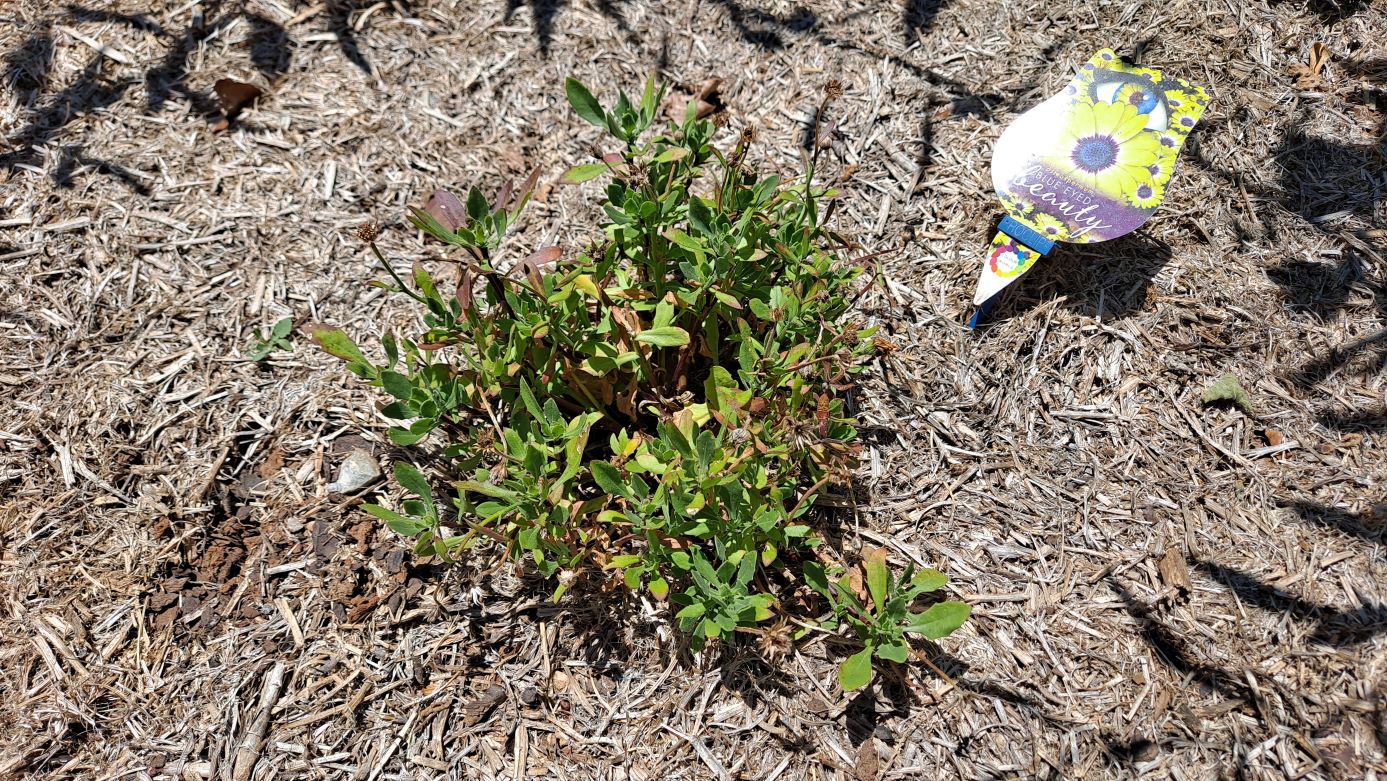
You probably don’t need to be a fig farmer to connect with what’s happening in the Parable of the Fig Tree which Jesus tells in Luke 13:6-9. Anyone who has had limited success in cultivating plants can probably identify with the frustration of the person who came looking for figs but didn’t find any for three years. Maybe we have planted a fruit tree of some sort in our backyards and haven’t seen it produce any fruit. Or we might have wanted to grow some flowers, but the plant hasn’t flourished or produced the flowers we had hoped to see.
While preparing this message, I wondered whether people in our community who grow grapes or grain for a living have ever had the same experience. Have you ever put in a crop which produced a meagre harvest or no harvest at all, or grape vines which produced little fruit if any?
What would you do in these situations? Do you persist with what you’ve planted in the hope that the plants will produce what you’re looking for at some stage? Or do you rip them out and plant something else in the hope that these new plants will be more fruitful?
We can easily understand some aspects of this parable. The person who planted the fig tree is God the Father, who gives life to all people and who brings us into a community of faith. The ‘vineyard’ (NIV) or ‘garden’ (NLT) represents the people of God. At various times in the Bible God talks about his Kingdom as a garden or vineyard where he looks after us and cares for us (see Isaiah 5:1-7; 58:11; Luke 20:9-19). That can lead us to understand the fig tree as us, either as individuals or as a faith community, who are planted in God’s Kingdom. The gardener represents Jesus who takes care of the garden and looks after God’s people.
This parable begins to get interesting when we ask what the fruit is which the owner of the garden is looking for. Jesus taught this parable to people who told him about men whose blood Pontius Pilate had mixed with sacrifices. They thought that these people must have sinned really badly to be treated like this. However, Jesus turns it into a call for his listeners to repent or change. He’s challenging the people who hear the parable to ask ourselves whether we need to change, not just look at others and tell them they need to change.
When we realise that we are the fig trees which are planted in the garden or vineyard of God’s Kingdom, then there are a few ways we can interpret what the fruit might be that God is looking for in our lives. When we hear the word ‘fruit’ a lot of people go straight to the ‘Fruit of the Spirit’ which Paul describes in Galatians 5:22,23, namely ‘love, joy, peace, patience, kindness, goodness, faithfulness, gentleness, and self-control’ (NLT). We can also interpret the ‘fruit’ through the New Testament reading for today written in 1 Peter 1:22-25 in which the Apostle writes, ‘You were cleansed from your sins when you obeyed the truth, so now you must show sincere love to each other as brothers and sisters. Love each other deeply with all your heart’ (v22 NLT).
Whether we hear the ‘fruit’ that God is looking for in our lives as Paul’s Fruit of the Spirit or Peter’s encouragement that we love each other sincerely and from the heart, how do we go in producing the fruit that God is looking for in our lives. Especially as we celebrate the New Year today, it is an opportunity for us to reflect on the year that has been and ask ourselves, if God was to look for fruit in our lives of sincere and heart-felt Christ-like love towards others in our church family, what would he see? Would he find an abundance of good fruit which has enriched the lives of our sisters and brothers in the faith and built them up in faith, hope, and love? Or, as what happens in the story, would he find a lack of good fruit?
These aren’t easy questions to ask, and they aren’t intended to spoil our New Year’s celebrations. If we are reflecting on the past year and noticing a lack of good fruit being produced in our lives or in our faith community, then we are in good company. Probably all of us can think of times or situations where we could have been more loving towards others or shown more of the Fruit of the Spirit in our relationships with people, both within and outside of our church community.
When we are aware of the lack of fruit being produced in our lives, this becomes a parable of grace. Jesus doesn’t conclude the parable by telling his listeners that we need to do better or try harder. Instead, he goes to work as the gardener in the story in the hope that the fruitless fig tree can become the kind of tree it was made to be. He intercedes for the fig tree, asking the owner of the garden for one more year. During that year he promises to care for the tree by digging around the roots, aerating the soil, feeding the tree with fertilizer, and tending it with kindness, in the hope that the tree will respond in a positive way to the attention it is receiving and will produce the fruit the owner is looking for.
In the same way, Jesus intercedes for us with our heavenly Father when we fail to produce the fruit of love in our lives. Jesus asks for another year of grace for us and then gets to work in our lives by giving us ‘special attention’ (NLT) as he pours his life-giving love into our lives. Jesus feeds us with his words of promise in the Bible. He feeds us with his body and blood in the Sacrament of Holy Communion. He comes to us as we are, full of grace and truth, to grow our faith in him as we learn to trust in his saving love in all the different circumstances of life that we face. Like the fruitless fig tree in the parable, Jesus promises to look after us and tend us as he feeds us with his goodness, so in time our roots might go deep into his love (Ephesians 3:16-19; Colossians 2:6,7) and we can grow in our faith. When that happens, the fruit God is looking for will naturally be produced in our lives and in our relationships.
As we come to the end of one calendar year and begin another, it can be a time for people to reflect on the past twelve months and make resolutions for the coming year. Whether you are someone who makes New Year’s resolutions or not, this can also be a time for us to ask if we have produced the good fruit God is looking for in our lives during the past year or if it has been lacking. When we acknowledge the lack of fruit in our lives and turn to our divine gardener in faith, Jesus promises to care for us, to feed us with his grace and love, and to grow us in faith, hope and love, so we can produce the fruit God is looking for by loving one another sincerely and deeply with all our hearts. Because in the end, that’s what God’s looking for in us.
More to think about or discuss:
- Have you ever had a plant that hasn’t produced fruit or flowers the way you wanted it to? Did you pull it out or persist with it? Why did you do that?
- What do you think the fruit might be that God is looking for in your life? Has the past year produced good fruit, or has it been lacking?
- How might you make yourself available to Jesus in the coming year so he can care for you and feed you, growing you in faith, hope & love, and producing his fruit in your life?
 Pastor Eugene Online
Leave a comment