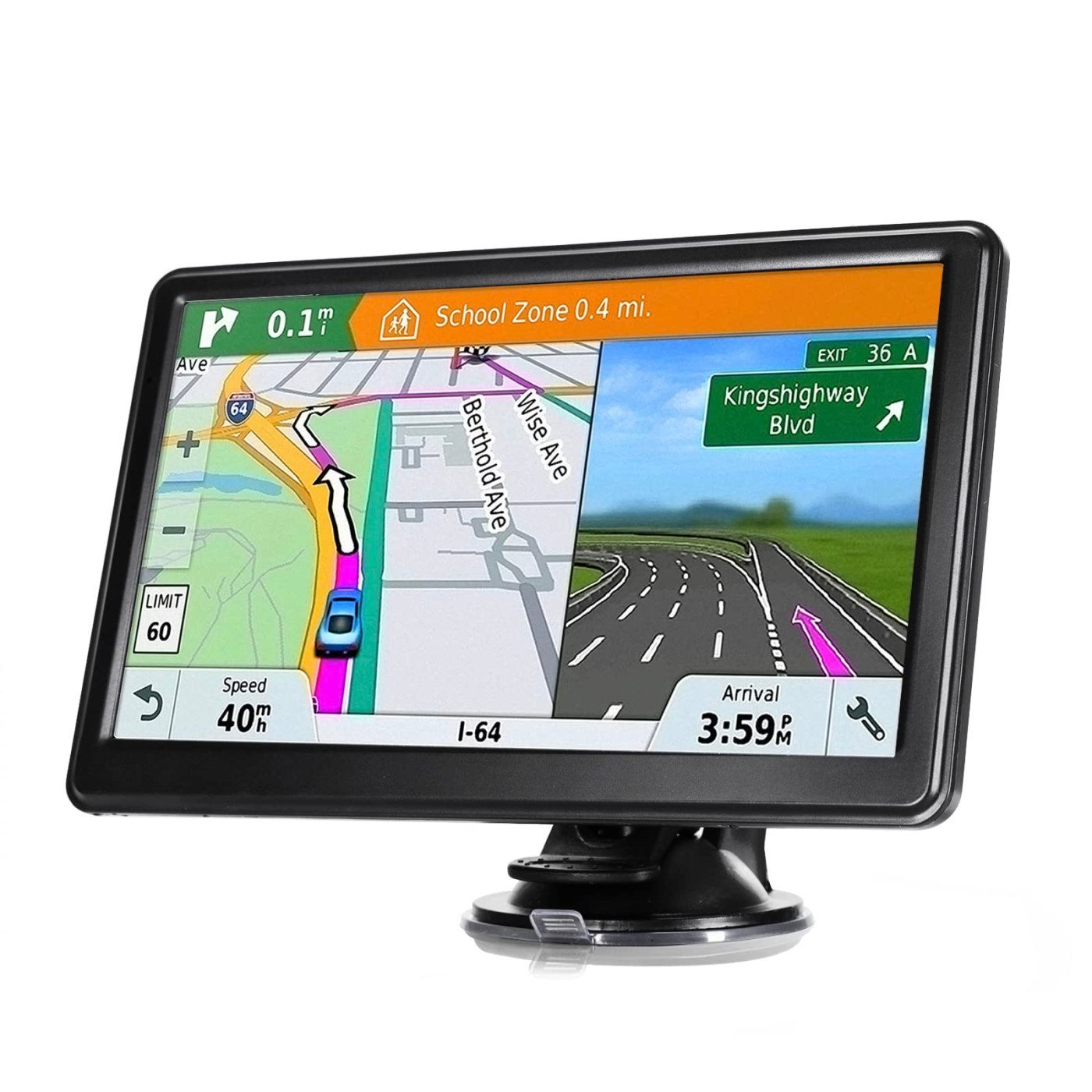
Finding our way from one place to another has become much easier since the Global Positioning System, or GPS, was invented. Finding our destination on a map, working out the best way to get there, and relying on someone in the passenger’s seat to give the driver accurate directions could get pretty complicated. It was even more challenging if you were travelling on a motorcycle because it’s really difficult to read a map while riding a motorbike!
Finding our way using a GPS is much more convenient. All we need to do is tell the GPS where we want to go and where our starting point is (if the location services on our device aren’t already activated). The GPS will find the best route to get to our destination and even tell us how far until our next turn, where we need to turn, and which lane to be in. A GPS guides us from where we are to where we want to be in a simple and easy way to follow.
Sometimes it would be good to have a GPS to help us navigate our way through relationships as well. It can be difficult getting along with people in our families, workplaces, social groups or churches. We all have differences, and those differences can lead to problems or even conflicts. When these conflicts arise, it can be hard to find our way through them in a positive and constructive way so we can maintain healthy and life-giving relationships. When we face conflicts, it can be good to have a guide to help us live in peace with others.
The readings for the Second Sunday in Advent focus on the arrival of John the Baptist. He came before Jesus to prepare his way and help people get ready for his coming. We can read the story of John’s birth in Luke 1:5-25 and 1:57-80. When John was born, his father, Zechariah, was filled with the Holy Spirit and God inspired him to talk about his son’s future. Among these words of prophecy, Zechariah said,
‘Because of God’s tender mercy, the morning light from heaven is about to break upon us, to give light to those who sit in darkness and in the shadow of death, and to guide us to the path of peace.’ (Luke 1:78,79 NLT)
Zechariah recognised that John’s birth was a gift from God because his son would point people towards Jesus, the Light of the World, who comes to save us from the darkness of conflict and ‘guide us to the path of peace’ (NLT). Like a GPS which guides us towards the place we want to get to, John the Baptist would show us the way to find peace in our lives.
Thirty years later, John began his work of preparing people for Jesus’ coming. In this week’s Gospel reading, Luke 3:1-6, we read that ‘John went from place to place on both sides of the Jordan River, preaching that people should be baptized to show that they had repented of their sins and turned to God to be forgiven’ (Luke 3:3 NLT). John called people to prepare for Jesus by repenting. To repent means to change. John’s message of repentance guides us to change direction in our lives. Instead of moving away from God, John calls us to a closer relationship with God and his grace for us in Jesus so we can find peace through faith in him.
John becomes our spiritual GPS to guide us in the way of peace that his father talked about. John shows us the way to move from conflicts we might be experiencing towards greater peace by calling us firstly to repent or change.
When we are in conflict with others, we can often blame other people and focus on what they did which caused the conflict. We can see this in all sorts of conflicts, from wars around the world, all the way to disagreements between friends or tensions in families. We tend to move the responsibility for conflicts away from ourselves towards others and the things they have said, done, or not done. The problem we have is that while we do that, the other person with whom we are in conflict is usually doing the same thing, so the conflict escalates, and nothing gets resolved.
John guides us towards peace along a very different path. Instead of blaming others, John’s call to repentance challenges us to look at what we have done to contribute to the conflict, to acknowledge our words or actions which might have escalated the conflict, and then to make changes in the way we speak and act to overcome the conflict and repair the damage that’s been done. This isn’t easy for us to do for a range of reasons, and it can sound very risky and counterintuitive, but just like our GPS might take us in a direction we might not have travelled before, admitting where we are wrong and making changes in the way we treat or talk about others can help us move from conflict to greater peace with people.
Repentance takes a lot of faith. Just like we need to trust our GPS if we’re going to follow it down a road we haven’t travelled before, we can trust Jesus as we walk in the way of peace in which John guides us. We can repent by acknowledging our wrongs and changing our behaviours, because we know that Jesus never judges or condemns us for the wrongs we do. When we go to someone with whom we are in conflict and admit we were wrong, we run the risk that they might use that against us. Jesus never does that to us. When we were in conflict with God because of our wrongs, Jesus ‘is faithful and just to forgive us our sins and to cleanse us from all wickedness’ (1 John 1:9 NLT). Jesus has already taken our wrongs to the cross and put them to death there. Because of his sacrifice for us, when we repent, when we acknowledge our wrongs and make the changes in our lives to do what’s right, Jesus always forgives us and makes us new people through his grace.
Trusting that Jesus forgives us unconditionally gives us the hope and strength we need to go to the people in our lives, to admit we were wrong, to ask for forgiveness, and to make changes in the way we treat them. It also gives us the capacity to forgive others who wrong us. It’s not always an easy road to walk, but repentance and forgiveness is the path God gives us through John the Baptist which guides us to peace with him and with each other.
The next time you use your GPS, you might like to think about how it guides us from where we are to where we hope to be. When we are in conflict and the destination we hope for is peace, remember that John the Baptist come ‘to guide us to the path of peace’ (Luke 1:79 NLT). He guides us by calling us to repent, to admit our wrongs and make changes in what we say and do. In our relationships with God and with each other, when we walk the path of repentance, it guides us towards greater peace with God, with others and within ourselves.
More to think about or discuss:
- Do you use a GPS when you are going from one place to another? Why or why not? How can using a GPS help us to move from where we are to where we hope to be?
- What are your thoughts about repentance (admitting when we’re wrong and making changes in our lives) as a guide to help us move from conflict to peace? What do you like about it? What sounds difficult or challenging about it?
- If you are experiencing conflict with someone, what might happen if you admitted to them where you were wrong, or forgave them for their wrongs towards you?
 Pastor Eugene Online
Leave a comment