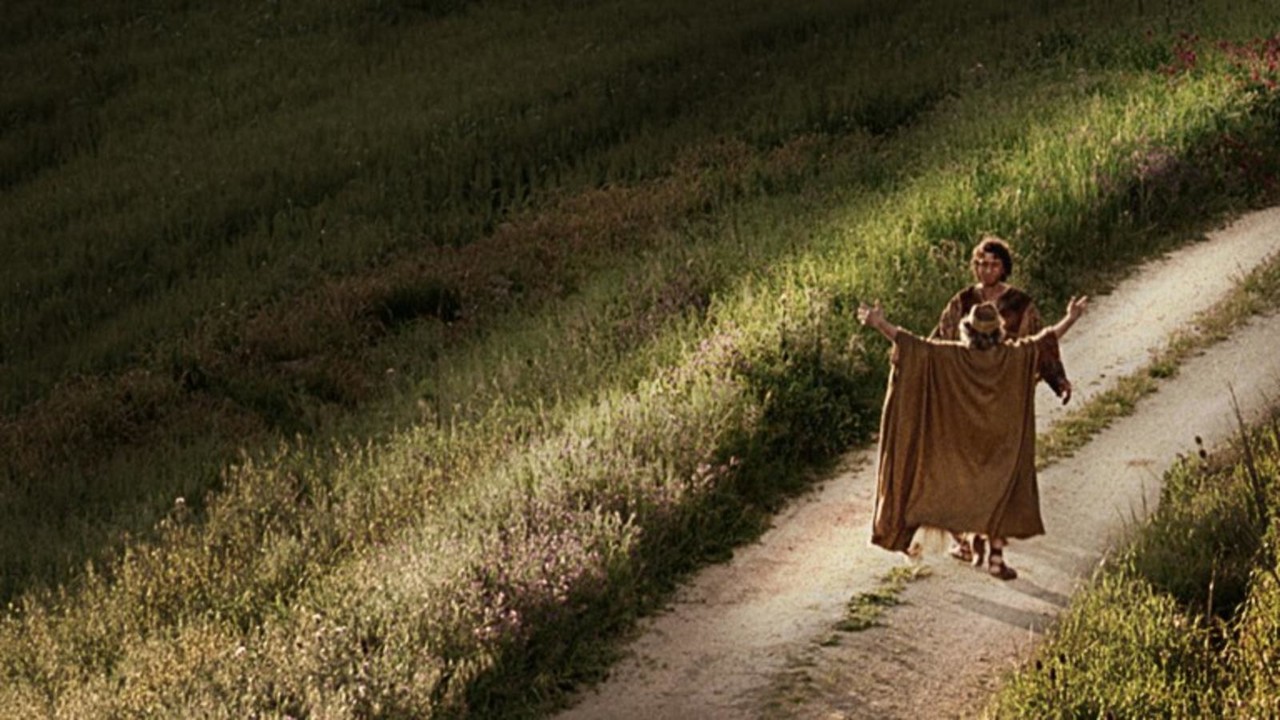
There are times in our lives when we can have a disagreement with someone or our relationship with that person can go through a rocky patch. What do we do then? Do we sit back and wait for the other person to make the first move to make things right? Or do we try to make things right by making the first move towards them? Sometimes it might depend on who caused the conflict or argument. We might be willing to reach out and try to reconcile with the other person if we recognise our fault, but if we reckon they are at fault, we can often expect them to come to us to try to restore the relationship.
There is a lot of movement in story of the Prodigal Son, also known as the Parable of the Lost Son, in Luke 15:11-32. The younger son comes to his father to ask for his inheritance early. Then he moves to a distant land, loses all his money and hits rock bottom when he gets a job feeding pigs. Then he turns his life around and goes home to his dad who welcomes him and takes him inside the house to celebrate his return. Then the older son comes in from the fields and is upset over the way his dad has treated his younger brother.
With all this movement in the story, there are two movements which are deeply significant. The first is the father’s reaction when he sees his younger son coming down the road. He could have gone inside the house and made his younger son try to earn his approval by showing how sorry he was for all his bad life-choices. It was extremely surprising for Jesus’ first century Hebrew audience and can still be surprising for us that the dad doesn’t do that. Instead, ‘filled with love and compassion, he ran to his son, embraced him and kissed him’ (Luke 15:20 NLT). Even while his son was ‘a long way off’ (v20 NLT), however far that might have been, the father ran to greet his returning son. As some of the more mature members of our church might know (Pastor Eugene includes himself in this) running doesn’t get easier as we get older. Especially in a first century Hebrew culture, mature, wealthy landowners don’t run. It’s very undignified! But the father in the story doesn’t care. His son has come home, and all he wants to do is embrace him, kiss him with fatherly affection, and restore him in his relationship with him as his beloved son.
The second movement happens when the older son comes in from the fields and gets upset at the celebrations which are being thrown for the returned younger son. We might expect the father to stay at the party and think that the older son should get over it, swallow his pride, come inside, or just be thankful for what he has. Instead of expecting the older son to make the first move, the father leaves the party and goes outside to meet his son. Once again, the father is the one who moves to meet his son, listen to him, and reconcile the relationship. The dad doesn’t wait for the older son to calm down and pull himself together. The loving father moves towards his son to work things out, even though the father has done nothing wrong and could expect his son to come to make the first move towards him.
The father’s movements in this story tell us a lot about God and his love for us in Jesus. People who hear this story can often identify with one or both of the sons. Either we might see ourselves as the wasteful (prodigal means wasteful or reckless) child who has been reckless with God’s gifts to us, or as the older child who has given years of service to the church and are unhappy when new people come in and disrupt what we have spent a lot of time and effort maintaining. Whether we identify with the younger or older child, what’s most important is our heavenly Father’s reactions to us. In both cases, God doesn’t wait for us to come to him. God’s movement is towards us, to embrace us, restore us, and invite us into his celebration.
We see this love most clearly in Jesus. When humanity had lost our way and squandered God’s goodness to us, God didn’t sit in his heavenly throne room waiting for us to realise the errors of our ways and come back to him. Instead, God came running towards us in compassion and love to embrace our humanity as a human baby. In Jesus’ birth, God moved from his heavenly sanctuary to meet us where we are and give us something better. We can call this the movement of grace: God not expecting us to come to him but God initiating a new relationship with us by running towards us like the father in the story. God shows us grace and love by moving towards us and embracing us as his children so we can have something better than where we were before. This movement of grace continued all the way to the cross as Jesus carried our rebellion, our wastefulness, our resentments and all our wrongs to the cross and set us free from them through his crucifixion. Just like the father moved from the comfort of his home to meet each of his children where they were, in Jesus God continues to move towards us full of love and compassion in the promises of his Word, in the waters of Baptism, and the bread and wine of Holy Communion. God is continually moving towards us to extend his grace to us and invite us to join him in the celebration of all those who were dead but are now alive, who were lost but are now found!
As the children of God and the body of Christ, God invites us into his outward movement of grace. He asks us to leave the comfort and safety of our buildings to join him in going out to meet his children wherever they might be. Whether they are reckless and wasteful like the younger son, or angry and resentful like the elder, they are all in need of God’s compassion and love. When we leave our church buildings in the grace of God to show compassion and 1 Corinthians 13 kind of love to the people who need it but don’t deserve it, we join Jesus in his mission to seek and save the lost. Like the father in our story and like the grace we find in relationship with our heavenly Father through Jesus, it’s not up to us to tell people what to do. Instead, God invites us to join him in his outward movement of grace through Jesus so he can embrace all people with his love and compassion through us.
If the father in this story had waited for either son to come to him to make things right, what do you think would have happened? God didn’t stay in heaven and expect us to make the first move towards him. In Jesus, he came to us, moved towards us, and continues his movement of grace by continually coming to make us right with him through his Word, his Sacraments, and people who are the living body of Christ. He invites us to do the same, to participate in and continue his outward movement of grace towards people who don’t deserve it but who need it all the same, so together we can join in the eternal celebration of all who were dead and are now alive, were lost and are now found by the grace of Jesus.
More to think about or discuss:
- In your relationships with others, do you prefer to wait for them to come to you or to move towards them? Can you give some examples of times when that has happened…?
- Why do you think the father in the story went out to meet each of his sons? What does that tell you about the way God’s grace for us in Jesus works?
- How can we join with God in his outward movement of grace as individuals? How might we do that as a church?
 Pastor Eugene Online
Leave a comment