Some Australian capital cities are built on beautiful waterways. Sydney Harbour is rated as one of the most picturesque harbours in the world. Perth stands on the beautiful Swan River. The Brisbane River snakes around the Queensland capital and provides stunning views of its high-rise offices, apartment buildings and parklands.
However, our own Torrens River in Adelaide isn’t quite up to those standards. It is actually just a creek, so a weir was constructed in 1881 to dam the water and create what is known as Torrens Lake. While it might provide some scenic photos of the City of Adelaide or the opportunity to do a cruise on the Popeye boats up to the zoo, Torrens Lake really doesn’t rate as one of the more impressive waterways of Australian capital cities.
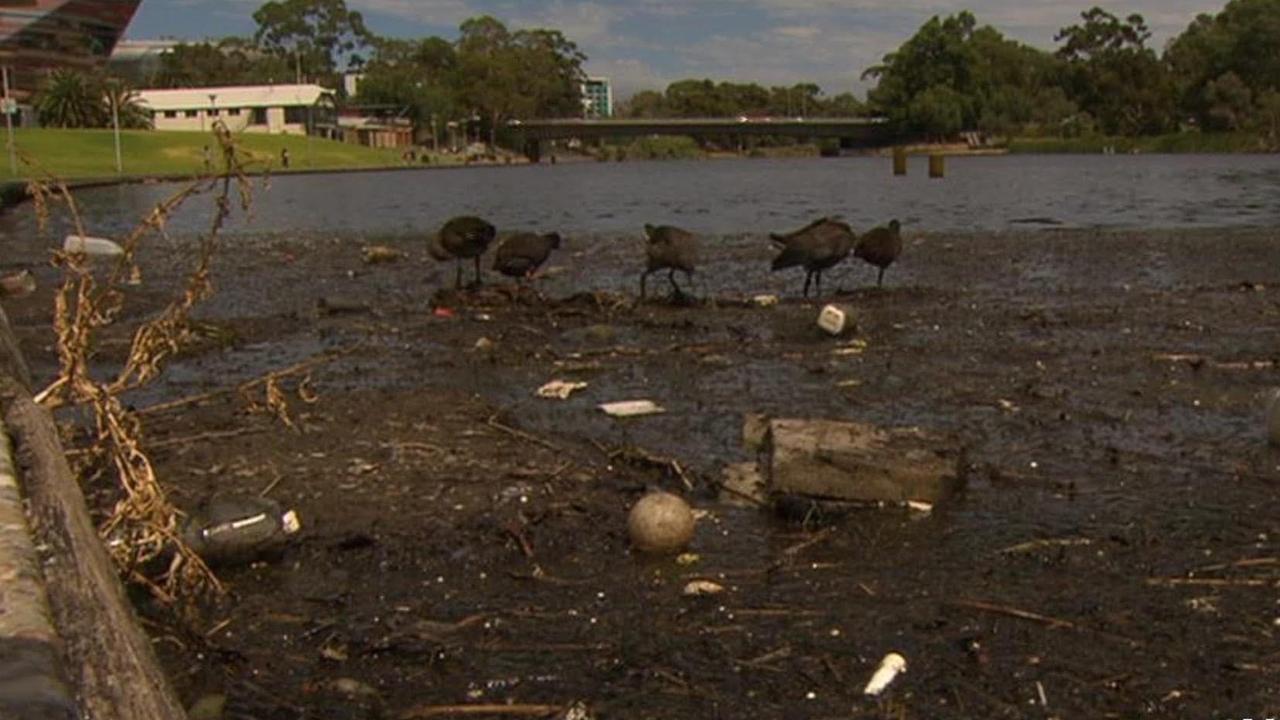
While the Torrens it might look nice, you really don’t want to go swimming in it. At times the Adelaide City Council will drain the lake to clean it out and it’s never a pleasant sight or smell. When it’s drained for cleaning, you can see rubbish and other things that contaminate the water. Even at the best of times, the Torrens can be pretty murky and not a suitable place for swimming or bathing.
If we can imagine how someone from Sydney, Perth or Brisbane might react to the River Torrens, we might be able to understand Naaman’s reaction in this week’s Old Testament reading, 2 Kings 5:1-14. Elisha told Naaman to wash himself in the Jordan River seven times to heal him from his leprosy. Naaman was offended and replied that the Abana and Pharpar Rivers in Damascus were much better than the Jordan River (v12). He was insulted to be told to wash himself in a river that he considered to be inferior to those of his own country. It would be like asking someone from Sydney, Perth or Brisbane to wash themselves in the Torrens. There might be some hometown loyalty involved, but if we were given the choice of washing ourselves in the Sydney Harbour, Swan or Brisbane Rivers compared to the Torrens, not many of us would choose the Torrens. It was the same for Naaman. To him, the Jordan was small, dirty and insignificant. Why would he want to wash in it?
At that point in the story, Naaman’s officers gave him some good advice. They said, “Sir, if the prophet had told you to do something very difficult, wouldn’t you have done it? So you should certainly obey him when he says simply, ‘Go and wash and be cured!’” (v13 NLT). They saw sense in what Elisha told Naaman to do. The Jordan was closer than the Damascus rivers and washing seven times in the Jordan wasn’t a difficult task to complete. Naaman had been accused of starting a fight by the king of Israel and then Elisha hadn’t come out to meet him, so being asked to wash himself in a small foreign river was pretty much just another insult. However, he listened to the advice of his officers, he trusted the promise of Elisha, he followed his instructions and, after washing himself seven times in the Jordan, he was healed of his leprosy.
One way we can understand this story is that it tells us about faith. God made a promise to Naaman through the prophet Elisha: wash in the Jordan seven times and be healed. The water itself didn’t have any magical properties to heal Naaman. The power to heal was in God’s promise. Even though Naaman’s initial reaction was to not believe that God would heal him when he washed in the Jordan, after being persuaded by his officers, Naaman trusted that God could do what he said and, in that faith, did what he was instructed to do.
We can see in this story the close connection between God’s promises, faith in those promises, and the actions that flow from that faith. God made a promise to Naaman, Naaman trusted God’s promise, his actions reflected that faith, and he was healed.
This story teaches us about the nature of faith. The Bible is full of God’s promises to us. For example, in this week’s New Testament reading from Galatians 6:7-16, Paul gives us God’s promises when he writes that God will give us ‘everlasting life’ (v8), a ‘harvest of blessing’ (v9), he will transform us into ‘a new creation’ (v15) and give us peace and mercy (v16). We receive all these through faith in Jesus. However, this faith isn’t just agreeing intellectually with what we are hearing. That would be like Naaman hearing God’s promise to heal him by washing in the Jordan River and then not doing what he was instructed to do. Instead, faith in these promises Paul gives us in Galatians 6:7-16 shows itself when we do what he tells us by not getting tired of doing good (vv9,10), living in freedom from the law (v15) and living by the ‘principle’ (NLT) of faith in Jesus and love for others.
Like Naaman, faith means trusting God’s promises and following what they say. Being disciples of Jesus means learning what that looks like in every situation in life. It begins by listening for God’s promises to us and then looking for ways to live that are faithful to his promises. This can also help us to think about the future of our congregations and parish. The promises and teachings of the Bible all flow from the New Command Jesus gave to his disciples: to love one another as he has loved us (John 13:34). Like Naaman, we might think this sounds too simple. However, like Naaman washing in the River Jordan, what if it really is that simple? What if God just wants us to trust in his life-giving love for us in the suffering, death and resurrection of Jesus and show that same kind of love to the people around us?
In the coming weeks you are invited to join with others in our congregations and parish to read through a book called Future-Focused Church. The authors of this book give three key checkpoints to help us think about the future of our church: ministry with young people, embracing diversity and loving our neighbours in practical ways. These originate from and grow out of Jesus’ New Command to love others as he has loved us. The challenge for us is to seek God’s guidance in how we can do that as we trust in God’s love for us and all people.
We normally wouldn’t go swimming in the River Torrens. However, considering it can help us understand Naaman’s reaction when Elisha instructed him to bath seven times in the Jordan to be healed. Even though it didn’t make sense and seemed too easy, Naaman followed Elisha’s instructions in faith and was healed. Jesus has promised to fill our lives with God’s love so we can know the full and abundant life that he has given us through his death and resurrection for us. It might sound too easy, but we can trust that the path to a full and abundant life is found in trusting in Jesus’ love for us and loving others in the same way.
More to think about or discuss:
- Would you consider bathing in the River Torrens? Why or why not? What might that tell you about Naaman’s reaction to Elisha’s instructions to bathe in the Jordan River?
- What does this story say to you about faith and trusting God’s promises? In what ways can trusting God’s promises make life simpler? In what ways can it make life more difficult or complicated?
- What do you think about the Christian life simply being trusting God’s love in Jesus and loving others the same way? What do you like about it? What challenges you about it?
 Pastor Eugene Online
Leave a comment