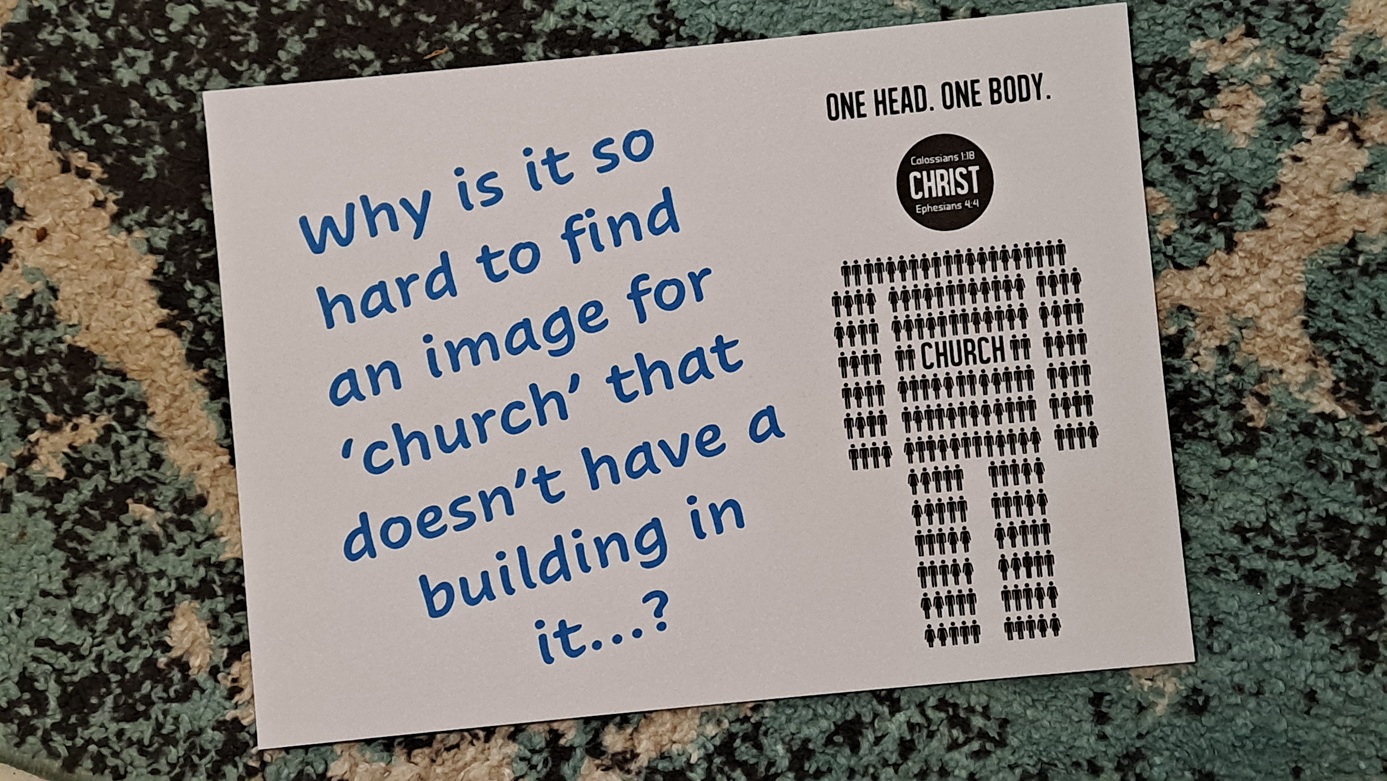
This Sunday St Peter’s is celebrating the 125th anniversary of their church building. For one hundred and twenty-five years God’s people have gathered in that place to hear the good news of Jesus, to welcome people into the family of God through baptism, and to receive the body and blood of our crucified and risen Lord in Holy Communion. There is a lot for which we can thank God today and every day, not just for St Peter’s but for all three congregations in our parish: our buildings, services and organisational structures. As we thank God for 125 years of ministry at St Peter’s, we can all join together in thanking God for his church.
The word ‘church’ means different things to different people. For some, the first thing they think of when they hear the word is the building where God’s people meet in worship. Others associate the word more with the services which happen in that building. Another way of thinking about ‘church’ is religious organisations such as a constituted congregation, parish or denomination. With so many different ways of interpreting the word ‘church’ it is vitally important that we understand what God means by ‘church’ so we can be faithful to what God wants for his church and his purposes for his church.
Paul points us to God’s understanding of the church in this week’s New Testament reading, Colossians 1:15-28. Paul refers to the ‘church’ as Christ’s body twice in this passage. In verse 18 Paul wrote, ‘Christ is also the head of the church, which is his body’ (NLT). A little later he echoed this idea when he wrote, ‘I am participating in the sufferings of Christ that continue for his body, the church’ in verse 24 (NLT). Paul didn’t talk about the church as a building, constituted organisation or even a religious service because those aspects of church didn’t exist in his time the way we understand them today. Instead, for Paul, the ‘church’ was people: a community of believers who were united with Christ and with each other through faith, who were the physical presence of Jesus in the world, and in whom the fullness of God resided through the mystery of Christ in them (v27).
We can see Paul’s view of the ‘church’ as people united with Christ and living as the physical presence of Jesus in the world in various places in his letters. In Romans 12:5 Paul wrote, ‘in Christ we, though many, form one body, and each member belongs to all the others’ (NIV). In Ephesians 4 Paul wrote that God gave apostles, prophets, evangelists, pastors and teachers ‘to equip his people for works of service, so that the body of Christ may be built up’ (v12 NIV). Paul gives his fullest exploration of the church as the body of Christ in 1 Corinthians 12:12-31 when he uses a physical body to describe how the church needs every different part to function properly. In 1 Corinthians 12:27 Paul clearly pointed to this perspective of the church when he wrote, ‘Now you are the body of Christ, and each one of you is a part of it’ (NIV). When all these Bible passages are read together, it is clear that for Paul, the church was not primarily a building, a service or constituted religious organisation. When Paul used the word ‘church’ in his New Testament letters, Paul meant the people of God who were united with Christ through faith, in whom Christ lives by the power of the Holy Spirit, and who work together to function as God’s grace-filled and loving presence in the world so all people can encounter God’s love and grace through flesh and blood people.
It is vitally important for the sake of the gospel and the mission of God in our current context that we listen to the way Paul talks about the church and we align ourselves with his teaching. Twenty-first century Australians are generally very cynical about the church. To be brutally honest, they aren’t interested in our buildings, services or organisations. As long as we focus on church in one or more of these ways, we will struggle to connect with twenty-first century Australians. What a lot of younger Australians are looking for, however, is meaningful relationships, a place to belong, and deeper purpose in life. We can offer all these to the people around us when we return to the way Paul portrays the church, as the living body of Christ.
When we read through Colossians 1:15-28 we can find the grace of God which we can offer to others as the body of Christ. In the same way that Jesus reconciled us with God, we can offer people the opportunity to be reconciled with God as well as with other people (v22). We can find new and healthy identities in Christ as people who are ‘without blemish and free from accusation’ (v22 NIV) through faith in Jesus. As the living body of Christ, the church can offer a deep and sustained hope to people through the gospel (v23). When we identify the church primarily as people for whom Christ died and is risen again and in whom Christ lives through faith, rather than a building, service or organisation, we can offer people a community of faith where they can find identity, belonging and purpose. We can help people discover who they are as God’s children whom he loves and with whom he is pleased. We can give others a place to belong as members of Christ’s body where everyone matters and everyone is valued because of everything Jesus has done for them. We can discover a new purpose together as we join with God in his mission to make all things new through the good news of Jesus which brings freedom, hope and love that is stronger than death to the world. Aligning ourselves with Paul’s understanding of the church as the body of Christ gives us a more organic, more relational, and more outwardly focused perspective on what it means to be church and why we exist as the body of Christ in the world.
We can still give thanks to God for the buildings in which we worship, the services in which we receive his grace through the gospel and sacraments, and the constituted organisations which provide the structure for ministry and mission to happen. Paul’s focus on the church as the body of Christ reminds us that these external forms of church exist to serve God’s people who are the living body of Christ, not the other way around. God has blessed us with buildings, services and organisations so the body of Christ can function well and continue to grow up to maturity in faith, hope and love in our relationships with God and with each other. To be faithful to our calling as the body of Christ and God’s mission to make all things new through Jesus in our twenty-first century Australian culture, it will be vital for us to see ourselves as members of the body of Christ, so we can grow in our understanding of what it means to be church and be Christ’s flesh and blood presence in the world.
More to think about or discuss:
- What do you think of when you hear the word ‘church’ – a building, service, organisation, people? Or something else?
- What comes to mind when you hear Paul talking about the church as the body of Christ? What do you think that looks like? What does it mean for us to be the body of Christ?
- How might thinking more about our church as the body of Christ help to shape our congregations & parish as well as what we do? How might we be able to better live as the body of Christ in our region?
 Pastor Eugene Online
Leave a comment