Australia was horrified last Sunday evening when news services reported a mass shooting at Bondi Beach in Sydney. Two men opened fire on members of the Jewish community as they observed the start of Hanukkah, a festival which celebrates the victory of light over darkness. The darkness of sin and evil spread over Bondi that evening as 16 people were killed, dozens injured, and many people’s lives were impacted for years to come.
At times like this, people can ask, ‘Where is God?’ We talk about a God of love, and the foundation of our Christian faith is that God pours his love into our lives so that we can love others in the way that he has loved us. In the face of the hatred and violence that tore people’s lives apart last Sunday evening, however, we can begin to wonder where this God of love that we talk about is, and why he didn’t do something to stop this tragedy.
We can ask this question, not just when events like the Bondi shooting happen, but in the everyday events that we experience in our own lives. When we endure loss of any kind, physical or emotional pain, the breakdown of relationships or the uncertainties of life, we can also ask where God is in the middle of all the hardships and suffering we might face.
People have been wrestling with this question for centuries, so this message won’t be able to answer it fully. However, in this week’s gospel reading, Matthew 1:18-25, we can find a place to start looking for God’s presence when we go through times of pain, uncertainty or loss. Matthew quotes the Old Testament prophet Isaiah when he writes,
“Look! The virgin will conceive a child! She will give birth to a son, and they will call him Immanuel, which means ‘God is with us.’” (v23 NLT)
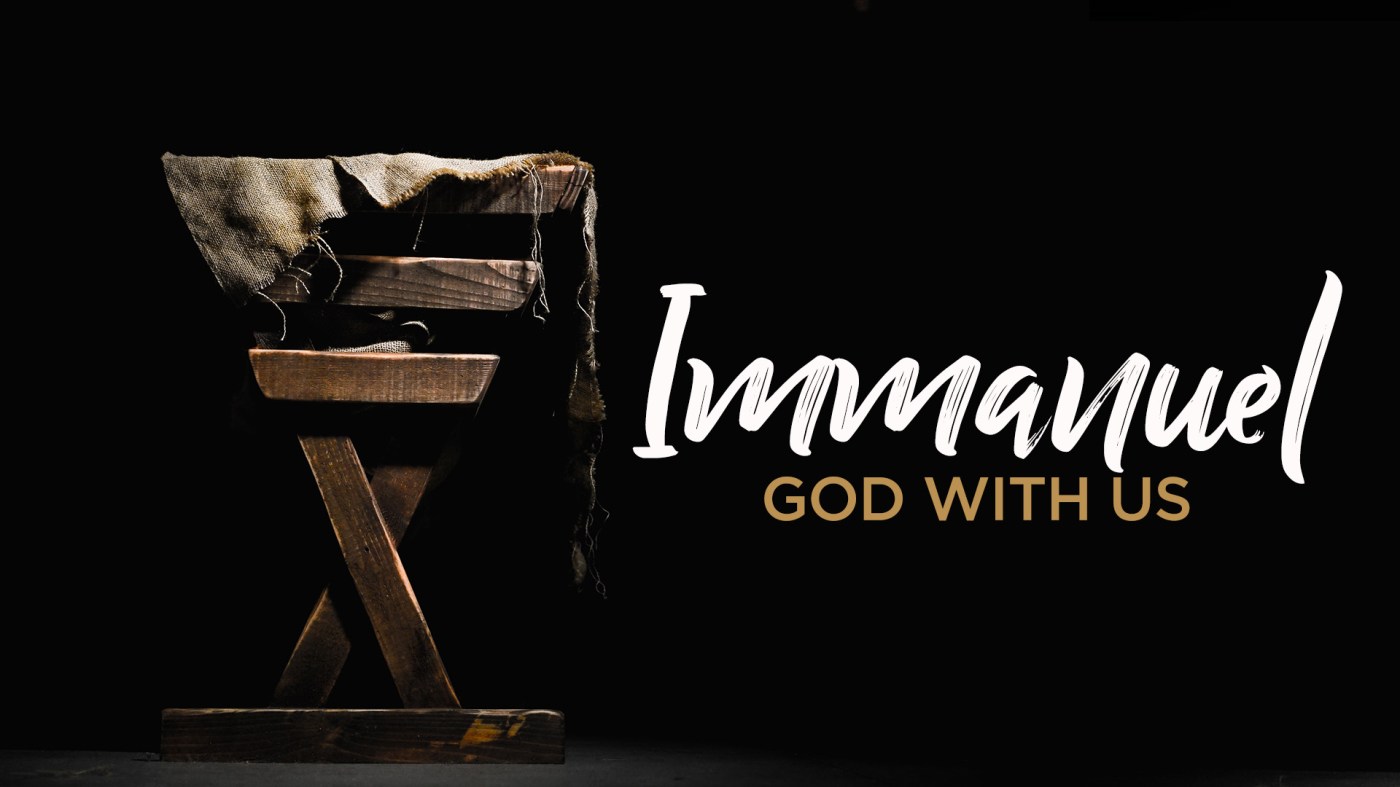
There is a lot we could discuss about this text, both in its original Old Testament context and the way Matthew uses it to teach us about Jesus. One key point of the verse is that Matthew names Jesus Immanuel, which he explains means ‘God is with us’ in Hebrew. Isaiah is pointing us towards Jesus as God’s presence with us in our lives. That doesn’t just mean that God is with us when everything is going well and life is easy. The good news of this name for Jesus is that in him God is with us in all circumstances and situations, whether good or bad, easy or difficult, joyful or sad, whether it feels like it or not.
When we look for God’s presence with us in Jesus, we can find him in places we don’t expect to find God. Through Jesus, God makes his presence known to us through the manger and the cross. When Jesus was born in Bethlehem and placed in a manger, God was present in the weakness, helplessness and vulnerability of a newborn infant. That tells us that God is present with us when we are weak, helpless, or vulnerable. In the infant Jesus, God experienced what it is like to depend completely on others to take care of him, so he is with us when we are totally dependent on others as well.
This infant grew up to be abandoned by those he called his friends, to be denied by the ones he was closest to, to have others tell lies and make false accusations about him, and to be physically abused. In his arrest and trial, Jesus’ disciples all ran away, Peter denied him three times, the Jewish religious leaders accused him of things he didn’t do, other people told lies about him, and the soldiers beat him. When we are abandoned by people we trust, when people let us down, when others tell lies about us, or if people physically hurt us, God is with us in those times because Jesus our Immanuel has experienced all that and more before us.
When Jesus was nailed to the cross, he suffered insults from those who passed by, he experienced real physical pain, he cried out to God who he felt had abandoned him, and he gave up his spirit as he died. Through Jesus, our Immanuel, God is with us in the times we are insulted by others or when we suffer pain. When we feel like God has abandoned us, the Son of God who cried out, “My God, my God, why have you forsaken me” is with us to give us the hope that, in his Son, God is closest to us when he feels furthest away from us. And when our life on this earth comes to an end, the God who experienced death and was buried will remain with us.
Jesus, our Immanuel, is with us in weakness, vulnerability, suffering and death in order to carry us to something better. The one who meets us and is with us in the manger and the cross is the one who has overcome sin, death and everything that’s wrong with this world in his resurrection. Jesus meets us in weakness, helplessness, suffering and death to carry us through those times into the full and abundant life of his resurrection. The God we find in the manger and the cross is also the God who gives us a future that is greater and brighter than anything we experience in this world. When we look for God with us in the manger and the cross, when we find him in our own weakness, struggles and losses, and when we hang on to him in faith, the Immanuel who was born, died and is risen again for us carries us through our struggles and suffering into a better tomorrow. Our Immanuel, God with us, is the source of our hope because he is the source of our life, now and forever.
This faith gives us the opportunity to be the presence of the Immanuel in the lives of other people. Sometimes we can back away from people who are suffering, in pain or alone because we don’t know what to do or say, or we might want to try to ‘fix’ things or make them better. The good news of the Immanuel, God with us, is that we don’t have to. In the same way that God is with us in Jesus, we can be the presence of our loving, compassionate and life-giving God in the lives of others just by being present with them. Whether at Christmas or at any other time of the year, when we are truly present with people, we can become Immanuel to them – the presence of God with them in all his grace, love and mercy.
Our hearts break at the senseless violence and loss of life that we witnessed in Bondi last Sunday evening. Please keep all those involved in the tragedy in your prayers, as well as the Jewish and Muslim communities in Australia and overseas, that the cycle of hatred and bloodshed will come to an end. As we come to terms with the shooting, it is fair and right that we ask where God is in all this. We can look for him in the suffering of life as well as the good things we enjoy. Thanks be to God that we can find him in weakness, vulnerability, suffering and pain as he makes himself known to us in the manger and the cross, so we can trust that God is with us in all things through Jesus to give us the hope of a better tomorrow.
More to think about or discuss:
- Where are some places you think people look for God or expect to find God? Why do you think people look for God in those places?
- How might looking for God in the manger and the cross, in weakness, vulnerability, suffering or pain be challenging for us? What are your thoughts about looking for and finding God with us in the places we might least expect to find him?
- How might you be able to be God’s presence in someone else’s life this Christmas? As a member of the body of Christ, how might you be able to be present for someone else?
 Pastor Eugene Online
Leave a comment