In our Transfiguration Sunday message last week, we heard the story of Jesus going up a mountain with Peter, James and John in Matthew 17:1-9. His appearance was changed to reveal his heavenly glory, and the voice of God spoke these words to Jesus’ disciples: “This is my dearly loved Son who brings me great joy. Listen to him” (v5 NLT).
As Jesus’ followers in the twenty-first century, God our Father also wants us to listen to Jesus speak words of grace, peace, hope and life that is stronger than death. During the season of Lent, we will be focusing on learning how to listen to Jesus’ voice in God’s Word so we can hear him speak words of life-giving grace to us.
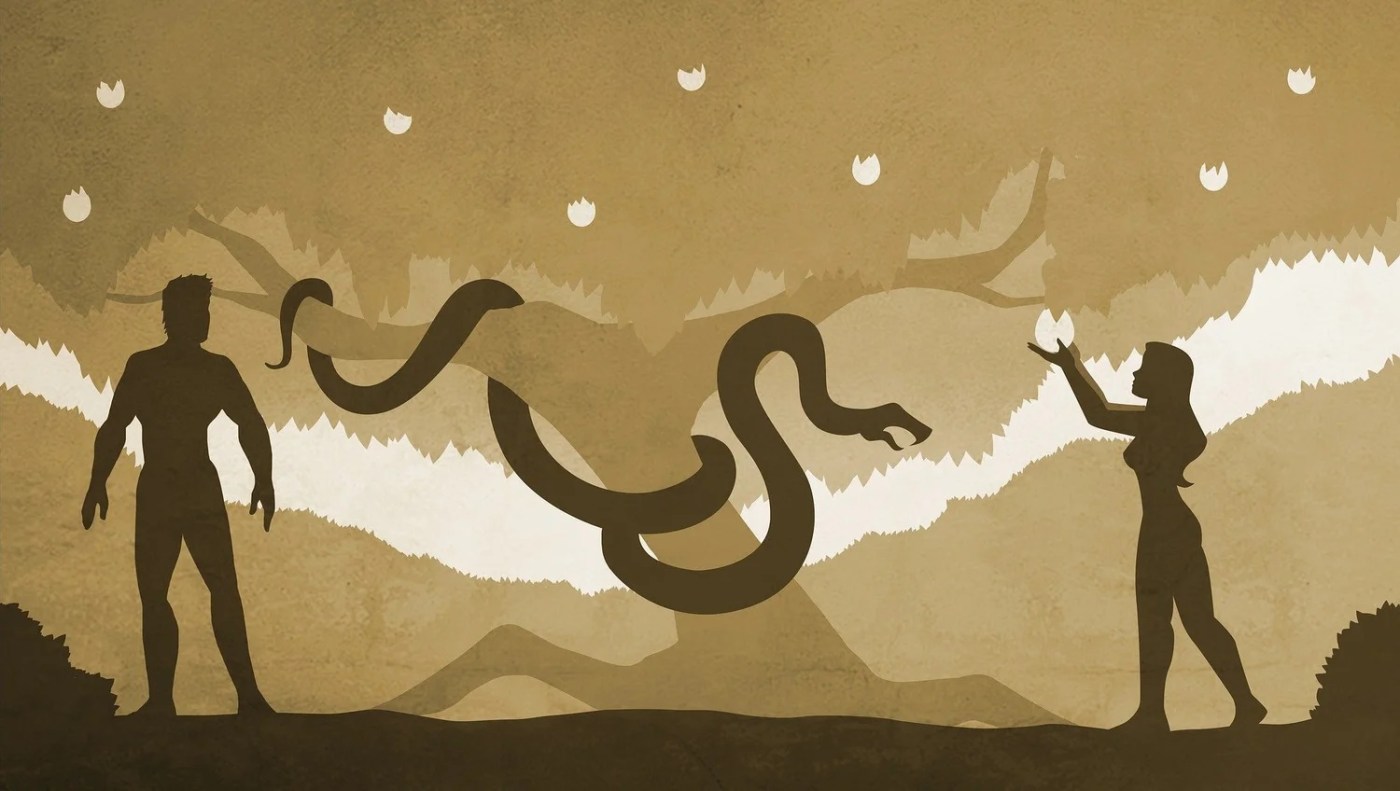
This might sound good in theory, but what do we do with this Sunday’s Old Testament reading, Genesis 2:15-17 and 3:1-7? We can hear God’s grace in verse 15 when “the Lord God placed the man in the Garden of Eden to tend and watch over it” (NLT). We can hear these words as God gifting Adam with a home and a meaningful and productive way to spend this time and energy. God placing the man in the garden was an act of grace to Adam.
The bigger problem with this reading is what happens in 3:1-7. After Adam and Eve ate the forbidden fruit, they felt shame at their nakedness and sewed fig leaves to try to cover their shame. It might surprise us that the people who constructed the lectionary we use left the reading there because it ends sounding a lot more like judgment than grace.
One reason why those who arranged the weekly readings might have finished the story at verse 7 is because it connects so well with Paul’s words in this week’s New Testament reading, Romans 5:12-19. Paul contrasts the sin of Adam which brought death into the world with the obedience of Jesus which brought righteousness and victory over sin and death to all who believe in him (v17). Paul writes that the gift of God’s grace to us in Jesus is much greater that Adam’s sin. The benefits of what Jesus did for us in his life, death and resurrection are much greater than the consequences of Adam’s disobedience. This points us to God’s grace for us in Jesus, and his gift to us of righteousness and victory over sin and death. In contrast to the bad news of Genesis 3, the good news of God’s grace to us in Romans 5 far outweighs the consequences of Adam’s sin. Genesis 3 sets the problem in front of us. Romans 5 gives us God’s answer to the problem of sin.
It’s important for us to hear this as grace for us, too. Since the gift of God’s grace to us in Jesus is greater than Adam’s sin and disobedience, then God’s grace is also far greater than our sin, our disobedience or our failures. We can hear God speak grace to us through Paul’s words, reassuring us that no matter that we might have done, no matter how bad we think we might be, the gift of God’s grace to us in Jesus is always greater in every way. We can find peace, freedom and hope from the grace we hear in Paul’s words of Romans 5:12-19.
Looking for God’s grace in other parts of Scripture such as the New Testament is one way to listen for Jesus’ grace-filled words in the Bible. Another way is to keep reading past the end of this morning’s Old Testament reading and hear how God resolved the problem Adam and Eve faced when they realised that they had sinned and tried to cover up what they had done wrong. After God delivered his verdict and the consequences of what they had done in verses 8 to 19, the story continues by saying, “And the Lord God made clothing from animal skins for Adam and his wife” (v21 NLT).
We can skip over these words as just another detail in the story. We can also hear them as words of profound grace. God knew that Adam and Eve’s attempts to cover their nakedness and shame by sewing fig leaves together weren’t going to help them. Fig leaves don’t make very good coverings. So, God provided them with clothes to cover their shame. To do that, he killed some of the animals he had lovingly created, and fashioning clothes for his children to cover their shame. God’s great act of grace in this story was to provide what they needed, even though it cost the life of the animals God had created.
Many see this act of grace as the first sacrifice God made for his children. The death of these animals to cover Adam and Eve’s nakedness and shame illustrates and foreshadows the sacrifice Jesus made to cover us, our nakedness and our shame with his goodness and righteousness. When we and our sins are exposed, when we are vulnerable, when we suffer shame, either from what we’ve done or from what others have done to us, we don’t have to try to hide like Adam and Eve. God sees us as we are. However, God doesn’t criticize or condemn us. God doesn’t laugh at us or make fun of us. Instead, God offers his only Son as a sacrifice and then covers our nakedness, vulnerability, embarrassment and shame with his righteousness, holiness, goodness and love as an act of extreme grace. Paul describes God’s grace as clothing us with Christ in passages such as Romans 13:14, 2 Corinthians 5:1-5, Galatians 3:27, and Colossians 3:12-14. God shows grace to us in a similar way that he showed grace to Adam and Eve, by giving his Son as a sacrifice for us and clothing us with his goodness so we can live free from shame, guilt and condemnation.
God’s grace gives us the freedom to be honest about who we are and what we do. We don’t have to hide from God or try to conceal our wrongs, flaws or failures from others the way Adam and Eve tried to hide from God. Instead, as people who have received grace from God and have been covered with Jesus’ righteousness and victory over sin and death, we can be honest with each other in the confident hope that we will experience grace from others who have also received God’s grace in Jesus. We can hear grace in God giving us new clothes in Christ. We can also find grace in God’s gift of acceptance in Jesus and a grace-filled community of believers, so we don’t have to pretend or hide ourselves anymore.
There are times when we can be listening to God’s Word and find it hard to hear words of grace. This week’s Old Testament reading is a good example of that. However, those are the times when we can keep searching God’s Word, keep listening to Jesus and keep seeking out his grace. It might be another part of the story we’re reading. It might be another part of Scripture that shows us the grace we’re looking for. In the story of Adam and Eve’s fall, we can find grace both in their story and the way Paul addresses it in the New Testament. In our own lives, we can always find the grace we need as Jesus speaks to us through God’s Word.
More to think about or discuss:
- What do you tend to do when you do something wrong: try to hide it or admit what you’ve done? Why do you react that way?
- How did Adam & Eve experience God’s grace for them after they did wrong? How do you think they might have reacted to what God did for them?
- What might Adam & Eve’s story say to you about God’s grace for you in your life? How might that grace also shape your relationships with others? How might other people encounter God’s grace through you?
 Pastor Eugene Online
Leave a comment