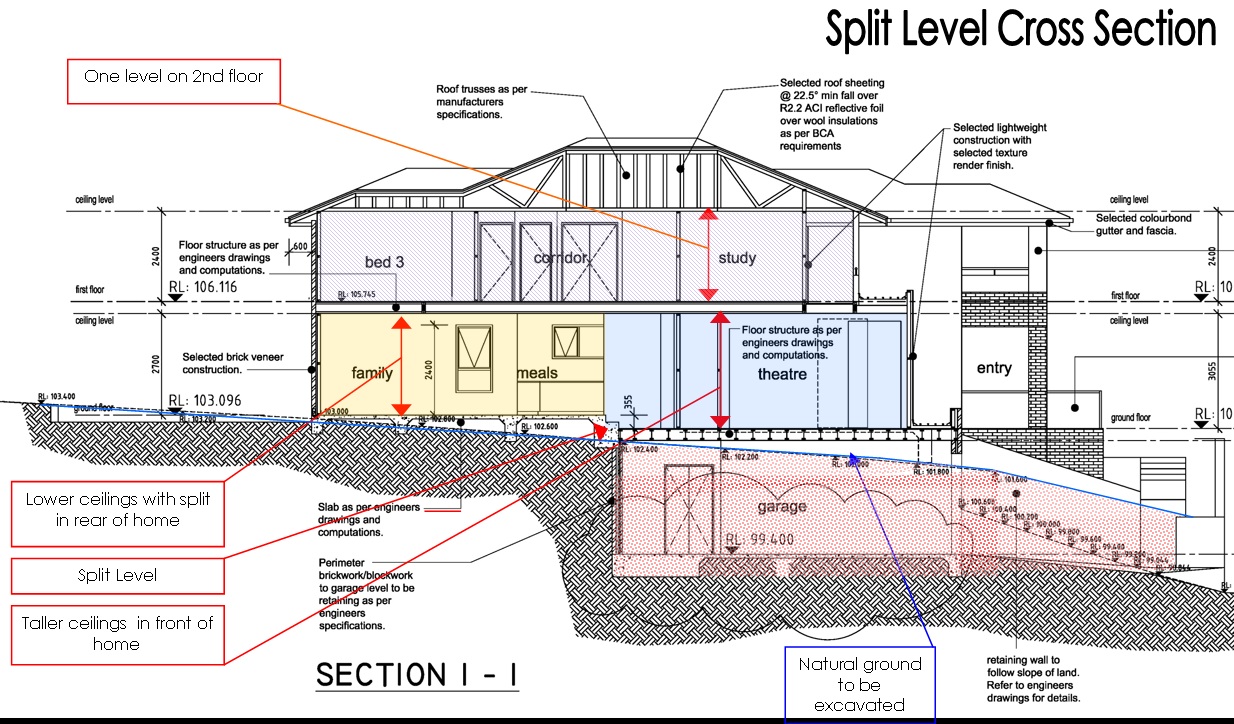
Building a house doesn’t happen by accident. A huge amount of planning needs to go into constructing a house, or any sort of building, if it is to serve its purpose and provide a suitable dwelling for the people who will live there. From the footings to the frame, the building materials, colours, internal fittings and landscaping, when people plan to build a house there is a lot to consider and prepare so that everything can come together and be a home for the people who will live there.
Some people view the crucifixion of Jesus as a tragic accident. Jesus can appear to be a well-meaning person who had some idealistic but radical ideas that challenged the religious establishment of his day which ended up getting him killed. From a human or worldly point of view, the death of Jesus can seem like something he never intended to happen but was the result of events which spiralled out of his control.
This week’s First Reading, Acts 2:14a,22-32, is part of Peter’s message to the people in Jerusalem on the day of Pentecost after God had given the Holy Spirit to Jesus’ followers. As Peter spoke, he proclaimed that the suffering, death and resurrection of Jesus which had happened in that city fifty days earlier wasn’t some tragic accident. Even though Peter pointed out that the inhabitants of Jerusalem were responsible for Jesus’ death, it happened “by God’s deliberate plan and foreknowledge” (Acts 2:23 NIV). God knew that the religious leaders of Jesus’ time would want to silence him by putting him to death. God knew that the people of Jerusalem would change from welcoming Jesus as their king on Palm Sunday to calling for his crucifixion on Good Friday, a dramatic shift in public opinion in five short days. God knew everything that would happen long before it took place. It was all part of God’s eternal plan to offer his Son as a sacrifice to remove our guilt, restore our relationship with him, and redeem us from the power of sin and death. Peter proclaimed that none of the events of Jesus’ suffering, death and resurrection were an accident, but it all happened according to God’s plan to save the world.
To support his message, Peter quoted Psalm 16:8-11, part of the Psalm for this week. In this Psalm, King David, who lived about a thousand years before the birth of Jesus, expressed his faith in God when he wrote, “you will not abandon me to the realm of the dead, nor will you let your faithful one see decay” (v10 NIV). As Peter pointed out, King David couldn’t have been talking about himself because he died, was buried, and his tomb was in Jerusalem at the time that Peter spoke these words (v29). David’s words were inspired by the Holy Spirit and pointed forward to the descendant of David whose body would not be abandoned to the “realm of the dead” and who would not see decay. This descendant of King David was Jesus who fulfilled God’s plan by trusting words in Scripture like Psalm 16. He went to the cross believing that his Father would keep his promises and raise him from the grave.
God unfolds his plan to redeem the world in many other places in the Bible. As we read the New Testament, the Apostles constantly refer to and quote the Old Testament to show how Jesus fulfilled God’s eternal plan. From Jesus’ birth, through the three years of his ministry, to his suffering, death and resurrection, on to the gift of the Holy Spirit at Pentecost and the spread of the gospel in the early years of the Christian era, God had planned for everything to happen according to his good and grace-filled will. The Apostle Paul confirms this when he wrote, “In him we were also chosen, having been predestined according to the plan of him who works out everything in conformity with the purpose of his will” in Ephesians 1:11 (NIV). The authors of the New Testament knew the Old Testament Scriptures. They could see how Jesus’ life, death and resurrection was no accident, but was all part of God’s plan and purpose to free us from sin, give us a life that is stronger than death, and make all things new in Jesus (Revelations 21:5).
God’s plan to redeem and restore creation and everything in it didn’t come to an end with Jesus’ resurrection or when the Apostles completed writing the Bible. God’s plan continues to unfold and make itself known in us and through us. It was fulfilled in Jesus’ death and resurrection for all people, but we are included in his plan through faith in the gospel. Our congregations and parish don’t exist by accident. While we can see the human hands that established the church communities we are a part of and built the houses of worship in which we gather, we can also see our faith community as part of God’s plan for his church to bring the good news of Jesus to all people and make all things new through faith in Christ. Like the early church of the New Testament, when we are listening carefully to God’s word and hearing its message through the life, death and resurrection of Jesus, we can find our place in God’s eternal plan and discover his plans for us for the future. No one ever turns up to build a house without knowing the plan. That would end up in confusion and disaster. It is similar with our congregations and parish. Looking for God’s plans for his people in the life, death and resurrection of Jesus, just like Peter and the Christians of the early church, will help us discover and move into God’s plan for us. As we remain in God’s plan by following Jesus as his disciples, learning to live in faith, hope and love, we align our plans with God’s eternal plan of salvation, and we can discover where his plan might lead us in the future.
It can be difficult to discern the difference between our plans and God’s plan for us. When we start looking for God’s specific plan for our lives, Deuteronomy 29:29 teaches us that “the secret things belong to the Lord our God, but the things revealed belong to us and our children forever” (NIV). We can’t always tell what God’s secret plans might be for us as individuals and as a church. However, we can know the plan that God has revealed to us in Jesus: that through Jesus’ life, suffering, death and resurrection for us, God gives us new lives to live now and forever as his dearly loved children with whom he is pleased because Christ lives in us.
The events of Jesus’ death and resurrection weren’t an accident. They were God’s plan to build a new house: the body of the risen Christ living in the world. We are included in God’s plan through faith in the good news of Jesus and everything God does for us through him. We might not know what God plans for us, our congregations or parish, but we can trust that as God unfolds his plan in Jesus and makes it known to us, the Holy Spirit will continue to work in us and through us for his glory and to bring the good news of Jesus to the world.
More to think about or discuss:
- Do you like to make plans or prefer to make things up as you go? Why do you prefer that? How can having a plan help us achieve things, even if we like to be flexible?
- How do you understand Jesus fulfilling God’s plan in his death & resurrection? What is it like for you to think that God included you in his plan through your faith in Jesus?
- What do you think God’s plan might be for your church? How might we align our plans for our church with God’s plan in Jesus better? What might that look like…?
 Pastor Eugene Online
Leave a comment