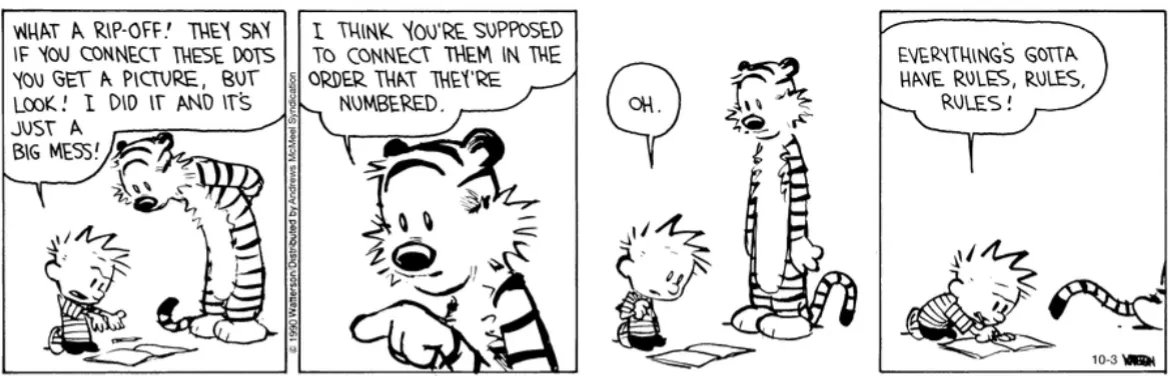
Just about everything we do has rules. Every game we play has a set of rules to follow, whether it’s cards, chess, football, or any kind of sport else. We need to learn and follow the rules of the road when we drive so everyone can be as safe as possible. Our nation is governed by sets of rules which include our Constitution and the Criminal Code. Wherever we go, whatever we do, we have rules to keep us safe, to make sure life is as fair as possible, and to help us live together in ways that are good for us and for other people.
For three and a half thousand years, the Ten Commandments have shown God’s people how God wants us to live in relationship with him and with each other. They were first given to Moses on Mount Sinai just after he led the Israelites out of slavery into Egypt and as they began their journey towards the land God had promised to give Abraham about five hundred years earlier. The Ten Commandments were their most basic set of rules to live by to help them live as God’s holy people when they reached the Promised Land.
Giving a message on the Ten Commandments is really challenging because there is so much that has been written about them, and a lot we could talk about regarding their place in living the Christian life. This message won’t cover everything we could say about the Ten Commandments, so if you would like to talk more about the role of the Ten Commandments in our lives, please get in touch and I’ll be happy to have a chat.
In our own time, many Australians think Christianity is about trying to be a good person and keep the Ten Commandments so we can go to heaven when we die. One reason why Christianity isn’t popular could be the perception that if you break the commandments, you’ll be condemned to hell. One of the biggest challenges we face as Christians in this country is to communicate the message that we don’t get into heaven by keeping the rules and we don’t get excluded if we break them. A central theme throughout the letters of Paul is that ‘no one will ever be made right with God by obeying the law’ (Galatians 2:16 NLT).
There are a few problems with trying to get into eternity by obeying the Ten Commandments. The first is our own human flaws and weakness. Even if we could outwardly keep the commandments, Jesus teaches that our inner thoughts and attitudes also need to be in step with God’s commandments (see Matthew 5:22,28). A second problem is that if we spend our lives trying to keep God’s commands, we are living for ourselves instead of trusting God to save us and loving others in the way Jesus teaches. God’s commandments show us our sin but they can’t save us (Romans 3:20).
A more positive way of viewing the Ten Commandments is that they show us how God wants us to love him and love others. Jesus did this when people asked him what the greatest commandment was. He answered to love God and to love our neighbour (Matthew 22:34-40; Mark 12:28-34; Luke 10:25-28). The Ten Commandments show us how God wants us to love him by teaching us to have no other Gods, use God’s name well, and keep his holy day as a day of rest. We love others when we honour our parents and others in authority, look after people’s physical needs, live in respectful and faithful relationships, help to look after and improve people’s property and possessions, speak well of others, and help the people around us whenever we can.
Paul follows Jesus when he writes that love fulfils the law in Romans 13:8-10 and Galatians 5:13,14. Some people criticise Paul by saying that he only refers to the commandments which talk about our relationships with others and not with God. However, Paul’s main theme is that faith fulfils the commands which teach us how to love God because trusting God leads us to love him above everything else. In his Small Catechism, Martin Luther reflected Jesus’ and Paul’s believe that love fulfils the Ten Commandments. In his explanations to the commandments, Luther described what we shouldn’t do but also what we can do to keep God’s commands in faith and love. It might be good to dig out our old catechisms and read how Luther explains the Ten Commandments again. If you don’t have one, let me know and I can pass a copy on to you.
We find it impossible to love God and others as the Ten Commandments teach us because of our human flaws and weakness, so we need God to provide the power and strength for us. In this week’s New Testament reading from 1 Corinthians 1:18-25 Paul writes that, ‘the message of the cross … is the very power of God’ (v18 NLT). In case we missed it the first time, Paul repeats, ‘Christ is the power of God and the wisdom of God’ (v24 NLT). When we realise that we can’t love God and others the way the Ten Commandments teach us, then God does for us what we can’t do for ourselves as his act of grace. He gives us Jesus who keeps the Ten Commandments perfectly for us by loving God and his neighbours in the ways God always wanted us to. Jesus takes our flaws, weaknesses, and sins to the cross where he puts them to death once and for all. In his suffering and death for us on the cross, Jesus removes and destroys everything that would accuse us or condemn us.
This good news is God’s power in our lives. When we receive it through faith, the Holy Spirit creates love for God in us and gives us the ability to love God in the ways he wants us to. The good news of God’s love for us in the cross of Jesus powers our love for God, like fuel powers our vehicles or electricity powers our appliances. The more we grow in God’s love for us in the cross of Christ, the more it shows in our love for others. Loving our neighbours isn’t something we do because we have to or because the commandments tell us to. Genuine and God-pleasing love in the way the Ten Commandments teach us is powered by God’s love for us in the cross of Christ and is an expression of God’s love for others.
Twenty-first century Australians have an interesting relationship with rules. We don’t like rules telling us what to do because we like to think that we’re free to do whatever we want. We also need rules to help us live in ways that are safe and helpful for us and for others, whether we like them or not. As followers of Jesus, we can show by the way we live our lives that keeping God’s rules, the Ten Commandments, won’t get us in or keep us out of an eternity with God. Instead, they teach us a better way to live by loving others and loving God who wants the best for us. We can do this in the power of God who speaks his love into our hearts through the good news of Jesus’ cross and graciously gives us everything we need to love him and love others as the Ten Commandments teach us.
More to think about or discuss:
- Do you like rules? Or do you prefer not having others telling you what to do? Can you explain why…?
- What do you think about the good news of Christ’s cross giving us the power to keep the 10 Commandments? What might be difficult about that? What might be encouraging?
- How might God’s love for you in the cross of Jesus help you to love him this week? How might it help you to love others?


Leave a Reply