Jesus was associating with the wrong kind of people.
In ancient Judea, people assumed that religious teachers would spend their time with followers who obeyed their religious traditions and held to high moral standards. They expected people who knew and taught God’s word to mix with people who knew the ways God wants people to live and who reflected that in what they said and did. No-one thought that a spiritual rabbi or teacher would spend their time with people who did the wrong thing, broke the religious rules or ignored their sacred traditions.
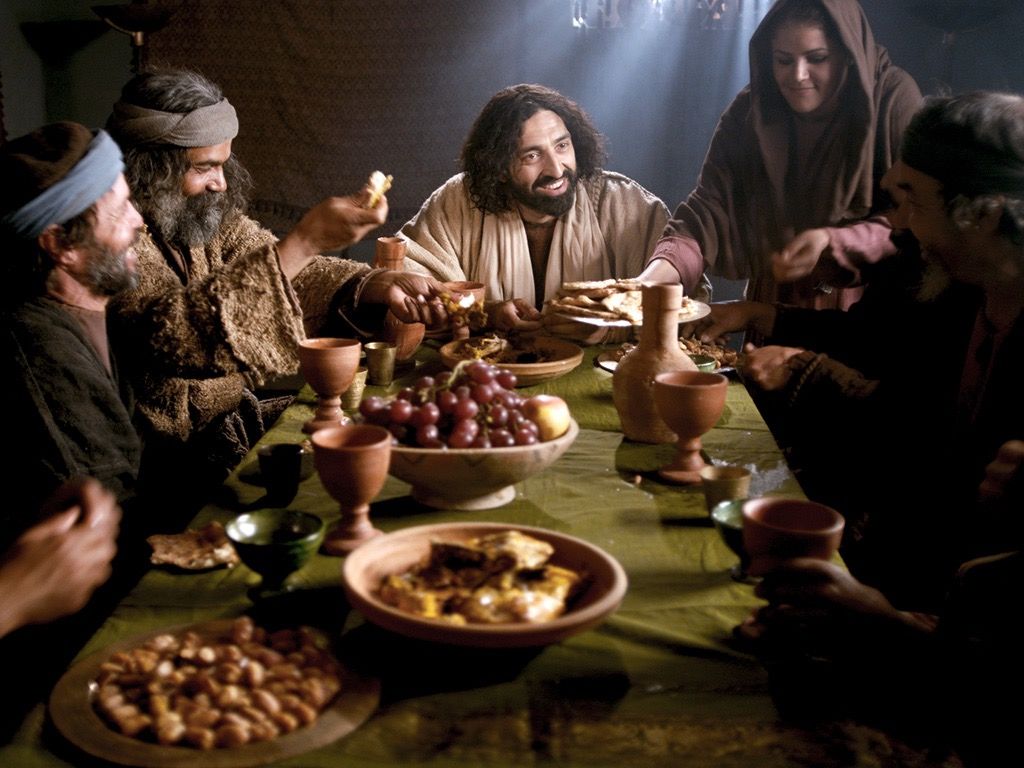
That was one reason Jesus got into trouble with the religious leaders of his day. For example, in this week’s gospel reading from Matthew 9:9-13, Jesus called a tax collector to be his disciple. In first century Judea, people saw tax collectors as traitors because they collected money for the occupying Roman Imperial government. They were also seen as thieves because they took extra money for themselves. In that culture, tax collectors were very low on the social ladder. However, Jesus called Matthew, a tax collector, to follow him and learn the good news of the Kingdom of God. Then Jesus made things even worse by going back to Matthew’s place and having dinner with his tax collector mates and other sinners! From the perspective of the Pharisees, who were all about obedience to the religious rules and traditions of Moses, Jesus had crossed a line by associating with the wrong sort of people.
When the Pharisees challenged Jesus’ disciples about his actions, Jesus responded by asking them what the prophet Hosea meant when he wrote, “I desire mercy, not sacrifice” (Hosea 6:6 NIV). God had sent Hosea to the Israelites more than 700 years before Jesus’ birth to call them back to him. The Israelites at that time were performing the outward religious duties, rituals and sacrifices that were commanded in the Law of Moses, but they were also exploiting and oppressing the people around them. On the one hand they seemed to be very religious as they offered the required sacrifices, but their actions towards others were selfish and hurtful. Hosea told God’s people that what God wants more than obeying religious rules is for them to show mercy to each other. Instead of going through the motions of religious traditions, God wants his people to be showing undeserved kindness to others.
Jesus displayed this in the story of Matthew and his sinner mates. Rather than telling them that they should change their ways or stop what they’re doing, Jesus showed mercy by associating with them, talking with them, eating with them, and calling Matthew to follow him as his disciple. This upset the Pharisees who were all about the outward performance and display of religious rules, customs and traditions. Quoting the words of Hosea to the Pharisees tells us that that Jesus understood sacrifice in a broader way than just animal sacrifices at the Temple. The Pharisees’ emphasis on obedience to the Law shows us that any outward religious act can be thought of as a sacrifice. While the Pharisees were focussed on sacrifice – what people should be offering God – Jesus was more concerned about mercy – showing kindness to people who deserved it the least but probably needed it the most. That’s what mercy is: showing kindness to other people whether they deserve it or not.
We see the mercy of God most clearly in the sacrifice of Jesus on the cross for all people. In his crucifixion, Jesus prioritised mercy by offering his life as a sacrifice. For Jesus, his personal sacrifice was also his greatest act of mercy as he gave everything for us on the cross. Because Jesus offered his life for us, God the Father shows us mercy by forgiving us for our sin, reconciling with us and welcoming us into relationship with him as his dearly loved children. Jesus didn’t offer his life for us because we deserve it. If we deserved it, Jesus wouldn’t have needed to die for us. The good news is that God is merciful towards us and treats us better than we deserve. He is kind to us by giving us every good thing we need for our bodies, minds and spirits for this life and the next as a free gift. When Jesus said, “Go and learn what this means: ‘I desire mercy, not sacrifice’, he wasn’t just pointing us towards what God wants us to do. Jesus was pointing us towards what God wants to give us: undeserved and unlimited kindness because of the sacrifice Jesus made for us.
When we find mercy and undeserved kindness in Jesus and learn to trust in God’s mercy, it shapes the way we put our faith into practice. Thankfully, we don’t have to offer animal sacrifices in worship like the ancient Jewish people anymore. However, Hosea’s words to us through Jesus still challenge us to think about what’s important in the way we live out our faith today. Sometimes we can think that being Christian means observing outward religious customs and traditions like going to church, giving money to the church, serving on rosters or sitting on committees. These can be good and helpful ways to live out our faith and be involved in Christian community, but they can also become a substitute for what God really wants: showing mercy to others. Jesus is teaching us that following him is not just about going to church, giving our offerings, going on rosters or committees or other religious things we might do for the church. Instead, learning what it means that God desires mercy and not sacrifice looks like forgiving people who have wronged us, reconciling with people with whom we might be in conflict, speaking well of people when they say bad things to us or about us, and generally treating others better than we might think they deserve. Desiring mercy and not sacrifice is about displaying kindness to all people, whether we think they are good enough or not, or whether we think they deserve it or not.
The mercy we show others flows from the mercy we receive in Jesus. It’s not always an easy thing to do. In fact, showing mercy to others by treating them better than we think they deserve can be really hard. Maybe that’s why we sometimes prefer outward expressions of religious customs or traditions – they can be a lot easier and more comfortable for us. However, it’s not what God desires for us, our relationships or our communities. God desires mercy, not sacrifice. Rather than the outward display of religious traditions and customs, God wants to fill us with his mercy through the sacrifice of Jesus. As we experience his mercy and learn to trust it, his mercy can flow through us into the lives of the people around us who, like Matthew, might deserve it the least but need it the most.
More to think about or discuss:
- What do you think of when you hear the word ‘mercy’? What does it mean to you? What does it look like in our lives? Our relationships? Our church?
- What do you think Jesus meant when he quoted Hosea and said that God desires mercy, not sacrifice? How are they different to each other? How do they look different in our lives?
- Do you think your experience of the Christian faith is more about sacrifice or mercy? How might we prioritise mercy over sacrifice more? How can we better show mercy to each other?


Leave a Reply