When was the last time you learned something new?
Some people find the idea of learning really difficult. It can bring up memories of long days at school, memorizing dates, facts and figures by rote, exercises that seemed totally unconnected with real life, or strict punishments if we stepped out of line. For others, learning opened doors to new and exciting possibilities, different ways of seeing ourselves and the world around us, or the opportunity to explore ideas that could help us find a better tomorrow. Professional educators sometimes talk about people being ‘life-long learners’ meaning that we never actually stop learning. We are always encountering new ideas, challenges, opportunities and experiences which help us to learn more about ourselves, the world in which we live, and how to relate to the people in our lives.
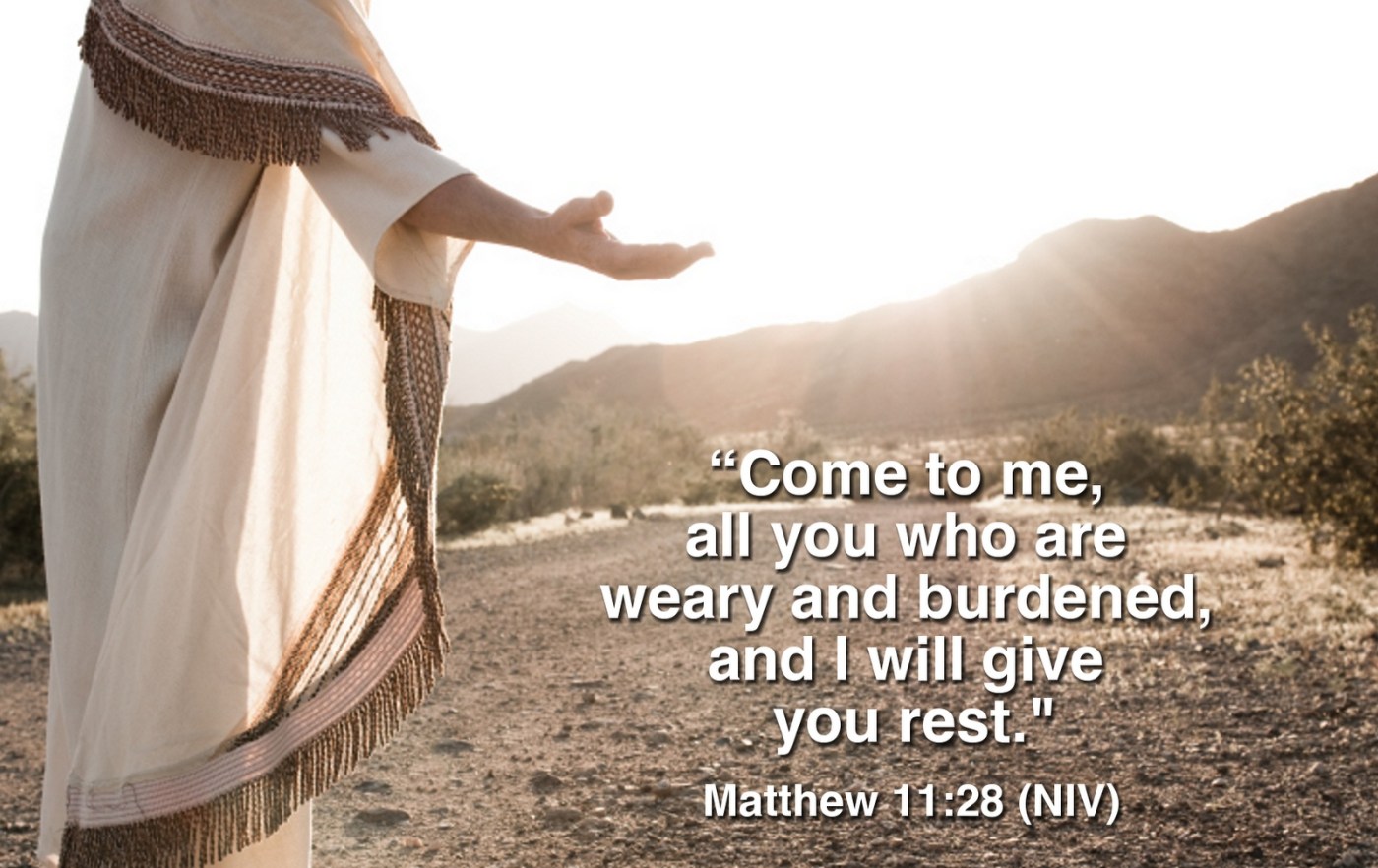
When Jesus called his disciples to follow him, he was inviting them into a learning relationship. As a rabbi, Jesus was a teacher. The disciples were his students who followed him to learn a new way of living in the coming Kingdom of God that was breaking into the world through Jesus. It was common in Jesus’ time for rabbis, or teachers, to gather groups of disciples, or learners, to instruct them in religious or spiritual practices. What was different about Jesus’ teaching was that he didn’t burden those who were learning from him with a long set of rules, demands or expectations like other rabbis of his time. Jesus taught a way of living that lifted the burdens people were carrying and gave them peace and rest.
The closing verses of Matthew 11 which are part of this week’s gospel reading gives us a clear picture of what Jesus was teaching his disciples, and what he wants us to learn from him. The language of ‘taking a yoke’ (v29) is the language of a rabbi to his student. It meant learning the way the teacher interpreted Scripture and applied it to their lives. It wasn’t just learning intellectual information as head-knowledge. It meant learning a new way of seeing God, ourselves, and other people, and then how to live that out in our daily lives.
In an environment where other rabbis were laying the heavy burdens of religious rules, expectations and demands on their students, Jesus teaches a radically different way of life. He explains that he is ‘gentle and humble in heart’ (v29 NIV). Jesus promises rest to those who will learn from him because his ‘yoke is easy’ and his ‘burden is light’ (v30 NIV). The Message paraphrase of the Bible puts it this way: ‘Walk with me and work with me – watch how I do it. Learn the unforced rhythms of grace. I won’t lay anything heavy or ill-fitting on you. Keep company with me and you’ll learn to live freely and lightly.’
These words give us a clear and concise summary of what Jesus wants to teach us: to learn the unforced rhythms of grace. This really summarizes what the whole New Testament is about. Jesus doesn’t want to burden us with a long list of rules, expectations, demands or things to do. Instead, Jesus wants to lift those things that burden us from us as we learn from him a new way of living in the unforced rhythms of God’s grace for us in him.
Firstly, this means living in God’s grace for ourselves. Earlier this year, we spent the season of Lent exploring what grace in Jesus can mean for us. The New Testament word for grace is closely aligned with the word for gift, so we can understand God’s grace as his gifts to us. God’s greatest gift and expression of his grace to us is his Son, Jesus, who joins us in our humanity, embraces our joys and sorrows, struggles and celebrations, and is God-with-us in everything that happens to us in this life. Jesus is also God’s gift for us as he carries our brokenness and sin to the cross to redeem and renew us through his gifts of forgiveness and new life. Because of God’s gift to us and for us in Jesus’ life, death and resurrection, God promises to give us everything we need in our bodies, minds and spirits for this life and the next as a free gift. Paul writes in Romans 8:32, ‘He who did not spare his own Son, but gave him up for us all – how will he not also, along with him, graciously give us all things?’ (NIV) As we learn ‘the unforced rhythms of grace’ from Jesus, we begin to see every good thing we have in our lives as a grace-filled gift from God who loves us. We can learn to trust God’s grace for us as we rely on his grace to us in Jesus and his promise to provide us with all we need for life in this world and the next.
The second part of learning the unforced rhythms of grace is learning to extend his grace to others. As we trust God to give us everything we need for life, we also show grace to others by prioritizing what we can give to others over what we get from them. It means shifting the focus of our lives from ourselves to the people around us and asking what we can give to serve, love, help and bless them. This looks like forgiving those who wrong us, accepting those who are different from us, embracing those who might reject us, speaking well to and about others even if they speak poorly of or about us, or being kind to others, even if they are unkind to us. Learning the unforced rhythms of grace means learning how to love others the way Jesus has loved us, by giving of ourselves to others, no matter what it might cost us.
God’s rhythms of grace are ‘unforced’ because Jesus doesn’t want us to show grace to others because we have to or are expected to. The rhythms of God’s grace are unforced because he wants them to flow naturally from us, in the same way that a tree will naturally produce its fruit. The more we are immersed in God’s grace for us in Jesus, the more we learn to trust and rely on his giving attitude towards us, the more his grace will naturally flow through us into the lives of others. It is a rhythm we find in our lives when we are connected with God’s grace to us in Jesus and the Holy Spirit synchronizes our lives with his. Learning the unforced rhythms of God’s grace for us in Jesus means trusting in God’s grace to us which then flows naturally through us into our relationships and communities.
Whether we like formal learning or not, God is constantly giving us opportunities throughout our lives to learn about him, his grace for us in Jesus, and how his grace can flow through us into the lives of others. When we read the stories of Jesus and the New Testament letters written to young faith communities, we can consistently see people who are leaning to live in the unforced rhythms of God’s grace for them in their relationships and communities. Jesus calls us to follow him, to learn from him the unforced rhythms of his grace for us, so we can find freedom from the things of this life that burden us, and we can help others find freedom from what burdens them by learning to trust Jesus as well.
More to think about or discuss:
- Do you like learning? Why or why not?
- What do you think Jesus meant when he invited his disciples to learn from him and find rest for their souls? What do you think that might look like for us?
- How might you be able to learn the rhythms of unforced grace in your life, either by trusting God’s grace for yourself or showing his grace to someone you know?


Leave a Reply