Do you ever change your mind?
We all make lots of decisions in our lives. Some of these might be small things about what we will eat, what we will wear, or how we will spend the day. Other decisions can be more significant and shape the course of our lives such as what careers we pursue or who we spend the rest of our lives with. Whether the decisions we make are small and temporary, or whether they are large and important, sometimes we can follow through with the decisions we make without wavering. At other times, however, for a wide range of reasons, we might change our minds and head down a different path from the one we initially decided on.
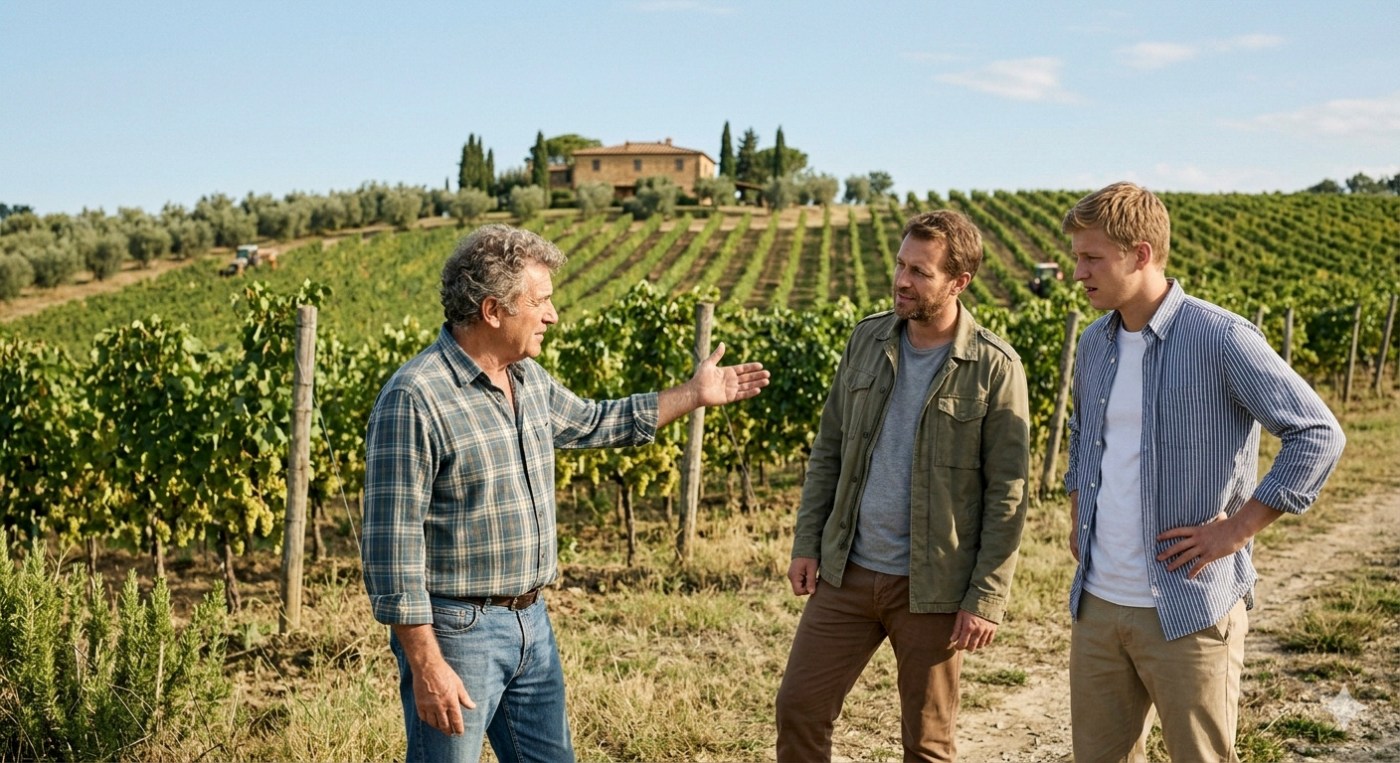
This week’s gospel reading, Matthew 21:23-32, includes a parable Jesus told about two sons. Both were told by their father to go and work in the family vineyard. The first told his dad that he wouldn’t do what he was asked, but later changed his mind and did what his father wanted. The second told his dad that he would, but didn’t follow through with what he said and did something else instead. Jesus didn’t explain why the first son changed his mind. Neither did he say whether the second son intended to do what his father asked and got distracted by other things, or whether he was just saying the right thing to get his dad off his back without any intention of complying with his instructions. All we know is that one son said he wouldn’t do what he was asked but changed his mind and followed his father’s instructions, while the other son said he would but didn’t do the work his father wanted.
The two sons represent two groups of people in Jesus’ life. The first son represents the “tax collectors and the prostitutes” (vv 31,32) that Jesus associated with. Jesus explained that they were entering the kingdom of God ahead of “the chief priests and elders of the people” who had questioned Jesus’ authority in the first part of the Gospel reading, Matthew 21:23-27. The tax collectors and prostitutes had heard the message of John the Baptist and believed him. However, the chief priests and elders of the people did not believe what John was saying or follow his call to repent (v32 NIV). The word Jesus used for “repent” in the Greek version of the story is the same word he used to describe the “change of mind” of the first son in his parable. Jesus is saying that, like the first son, the tax collectors and prostitutes hadn’t been doing what God their heavenly Father wanted, but they repented by changing their minds, believed the good news and were now part of God’s Kingdom. The chief priests and elders of the people, however, were like the second son. They said all the right things but weren’t doing what God their Father wanted, and so the tax collectors and prostitutes were entering the Kingdom of God before them.
As God’s children who have been welcomed into his family through baptism, which son are we more like – the first son who didn’t want to work in the vineyard but who changed his mind and did what the father wanted? Or the second son who said the right thing but didn’t do the will of the father? To look at it from another perspective, are we more like the religious leaders of Jesus’ day who said the right things but didn’t do the will of our Father in heaven, or the tax collectors and prostitutes who heard the good news of the Kingdom, changed their minds, believed the message and did what our Father wanted?
To answer this question, we need to ask what does our heavenly Father want us to do? One way we can understand what God wants is simply to believe in him. In verse 32, Jesus says that the tax collectors and prostitutes believed but the chief priests and elders didn’t, and that was why they were getting into the Kingdom of God before them. This corresponds with what Jesus taught in John 6:28. People asked him, “What must we do to do the works God requires?” (NIV), which is another way of asking, “What work does our Father want us to do?” Jesus replied, “The work of God is this: to believe in the one he has sent” (John 6:29 NIV). The main thing God wants us to do is to believe that Jesus has done everything that is needed for us to enter the Kingdom of God and to be welcomed into his family as God’s dearly loved children with whom he is pleased. Jesus is telling us that the number one thing our heavenly Father wants his children to do is believe.
As we read our Bibles and the New Testament in particular, we can see that God doesn’t want his dearly loved children to be lazing around the house all day doing nothing. He wants us to be active in our faith, doing the work he is calling us to do. God wants us to get to work in the world, just like the father in the parable wanted his sons to go work in the vineyard.
When people came to Jesus in Matthew, Mark and Luke’s gospels to ask him what the most important commandment was, they were basically asking what God our Father wants us to do. Jesus replied that the most important command from the Law of Moses, what God wants us to do most of all, is to love him with all our hearts, minds, souls and strength, and to love our neighbours as ourselves (Matthew 22:34-40; Mark 12:28-34; Luke 10:25-28). In John’s gospel, Jesus gives his followers a new command: to love one another the way that he has loved us (John 13:34, 15:12,17). Paul explains the same idea by saying that the only thing that counts in the life of the Christian is faith in Jesus expressing itself in Christ-like love for others (Galatians 5:6). This isn’t just a New Testament way of understanding what our heavenly Father wants us to do. In Psalm 37:3 we read, “Trust in the Lord and do good” (NIV). These are all different ways of saying the one message: as his dearly loved children, our Father in heaven wants us to be at work in his vineyard, in the world around us, by trusting him and his life-giving love for us in the life, death and resurrection of Jesus, and loving the people around us in the same self-sacrificing, life-giving way.
Jesus’ parable challenges us to think about which son we are more like: the son who said the right thing but didn’t do what his dad wanted, or the son who changed his mind and did his father’s will? It can be easy for us to resemble the second son by turning up to Sunday services, saying all the right things, but spending the rest of the week doing our own thing and going our own way. Or we can be like the first son and do our heavenly Father’s will by trusting him and his love for us in Jesus, and loving the people around us in the same Christ-like, self-giving way with which he loves us.
God give us his Holy Spirit and change our minds to be more like Jesus’ so we can grow in faith in him, and share his love and goodness with the people around us, just like he wants.
More to think about or discuss:
- Do you ever change your mind? Why do you do that? How can changing our minds be seen in the way we live our lives?
- Do you see yourself as more like the first or second son of the father in the parable? Why is that? Why do you think Jesus wants us to be more like the first son?
- What would it look like in your life & in your relationships if you did more of what our heavenly Father wanted by trusting him & loving others, even when it’s hard or costly?


Leave a comment